



Articles by Chris Clifton
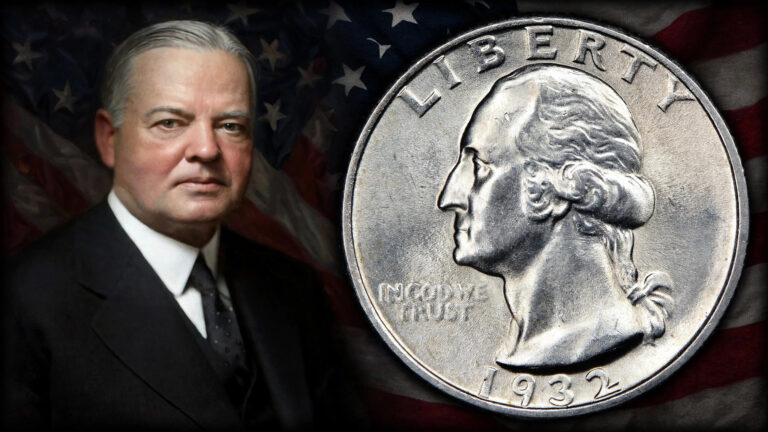
How Did Herbert Hoover End the First Commemorative Era and Start the Washington Quarter?
Herbert Hoover did both with a veto pen and a signature a year apart. On April 21, 1930 he vetoed a commemorative coin bill with a long message warning that the 1920s commemorative boom invited counterfeiting and produced coins nobody bought — a stance that helped end the classic commemorative era — and in March 1931 he signed the law putting George Washington's portrait on the quarter for the 1932 bicentennial.
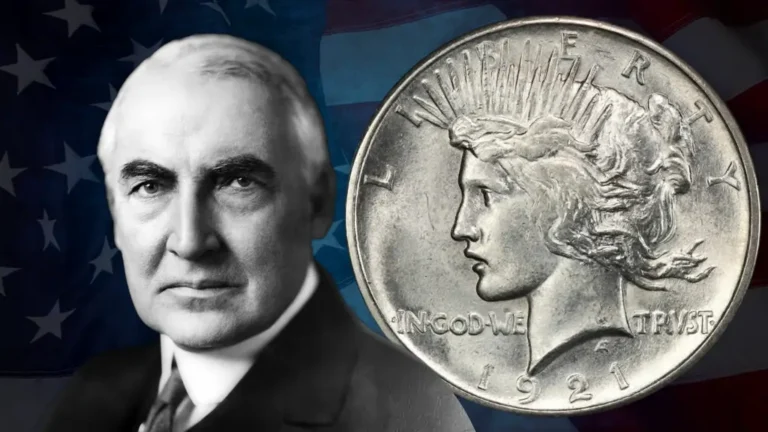
How Did Warren G. Harding Personally Shape the Peace Dollar?
Warren G. Harding shaped the Peace dollar with his own hand, unusually for a president. By Executive Order of July 28, 1921 he put coin designs under Commission of Fine Arts review, he personally approved Anthony de Francisci's winning drawings — objecting even to the dimple on Liberty's chin — and when veterans protested the broken sword on the reverse, he ordered it removed days before production began.
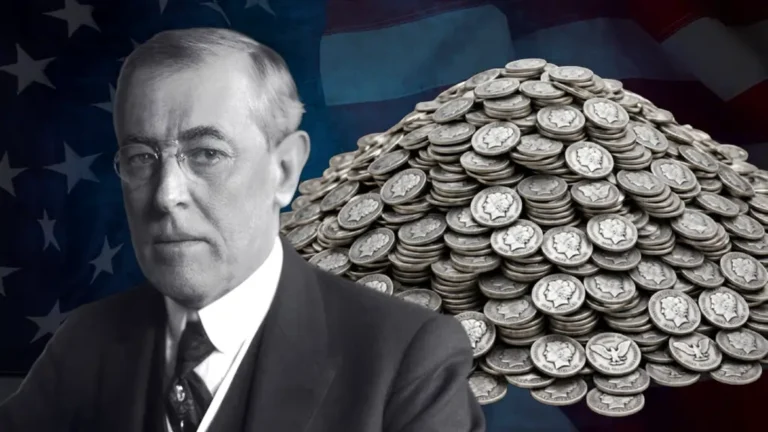
Why Did Woodrow Wilson Melt 270 Million Silver Dollars?
Woodrow Wilson signed the Pittman Act on April 23, 1918, a wartime measure that authorized melting up to 350 million silver dollars to supply Britain with bullion for India. In the end 270,232,722 silver dollars — nearly half of all ever struck — were melted, and the law's replacement clause is the direct reason the Morgan dollar returned in 1921 and the Peace dollar was born.
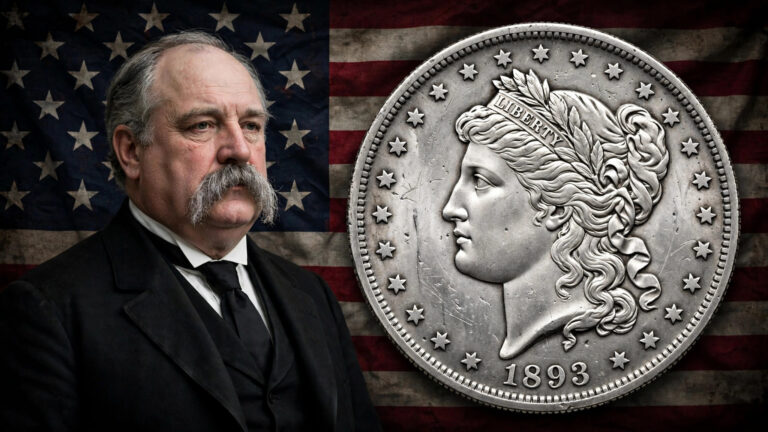
How Did Grover Cleveland’s Silver Repeal Create the Key-Date Morgans?
Grover Cleveland did not merely sign a coinage law — he forced one through. When the Panic of 1893 drained the Treasury's gold reserve below its symbolic $100 million floor, on April 22, 1893, Cleveland called Congress into special session for the single purpose of repealing the Sherman Silver Purchase Act, demanded repeal with no free-silver substitute, and pressured his own party's senators until he could sign the repeal on November 1, 1893. With the government no longer required to buy silver and coin it into dollars, Morgan dollar production collapsed — and the tiny mintages of 1893–95 became the key dates collectors chase today.
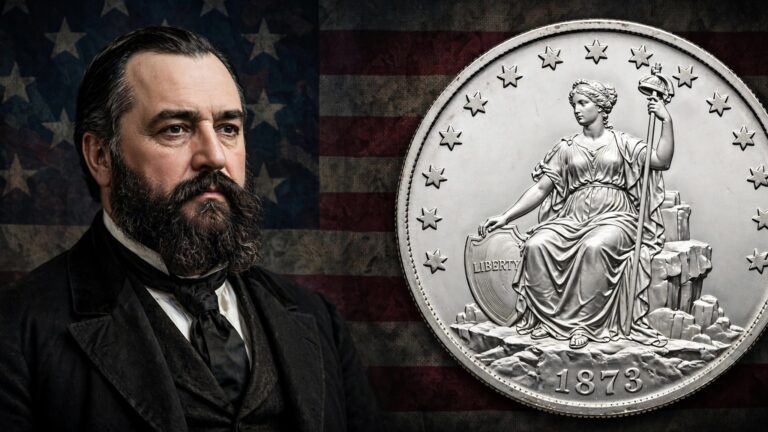
What Was the ‘Crime of ’73’ That Ulysses S. Grant Signed?
The "Crime of '73" is the bitter name silver interests gave the Coinage Act of February 12, 1873, which Ulysses S. Grant signed as a routine Mint housekeeping bill. Buried in its revision of the mint laws was one quiet omission: the standard silver dollar no longer appeared on the list of authorized coins, ending the free coinage of silver in the United States. The same act created the Trade dollar, abolished the two-cent piece, three-cent silver, and half dime, and slightly raised the weight of the remaining silver coins. Almost nobody noticed at the time — the explosion came three years later.
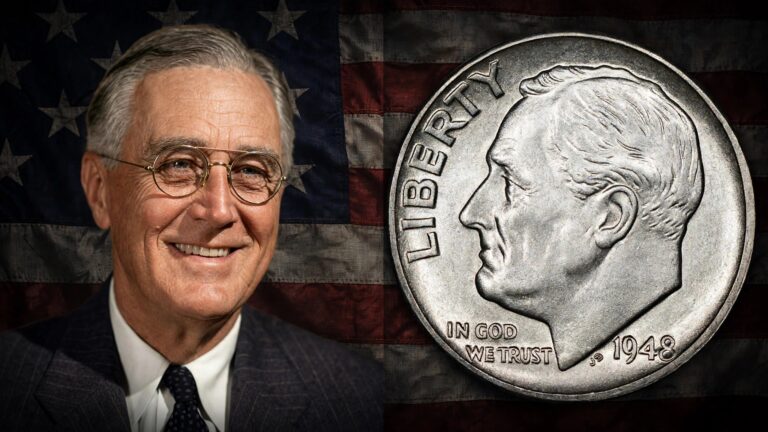
How Did Franklin D. Roosevelt End America’s Gold Coinage?
Franklin D. Roosevelt ended America's gold coinage in less than a year. On April 5, 1933, barely a month into his presidency, he signed Executive Order 6102, which required Americans to turn in their gold coins, bullion, and gold certificates to the government. The Gold Reserve Act of January 1934 then made the change permanent, ended gold coinage for good, and raised the official price of gold from $20.67 to $35 an ounce. Gold coins had circulated in the United States since the 1790s; after Roosevelt, they never circulated again.
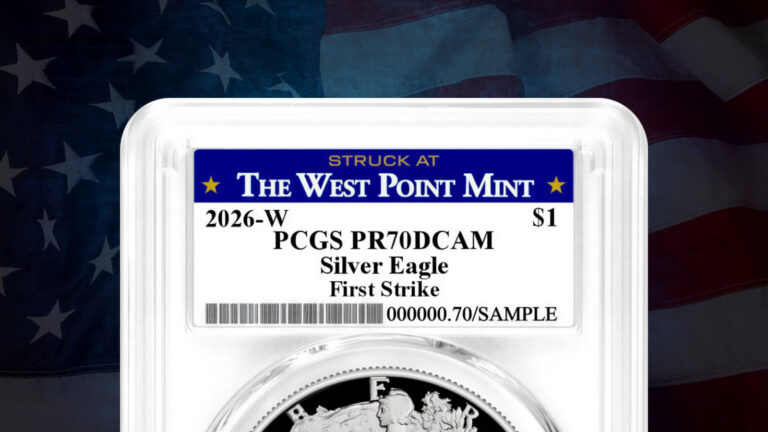
What Is First Strike?
First Strike is PCGS's designation for coins received by PCGS within 30 days of a new issue's release — or shipped in sealed Mint boxes postmarked within that window. It certifies when the coin left the Mint, not when it was struck. The U.S. Mint does not track the order in which it strikes coins and has said so publicly, so no label can prove a coin was literally struck first. NGC's equivalent 30-day designation is Early Releases, or First Releases.
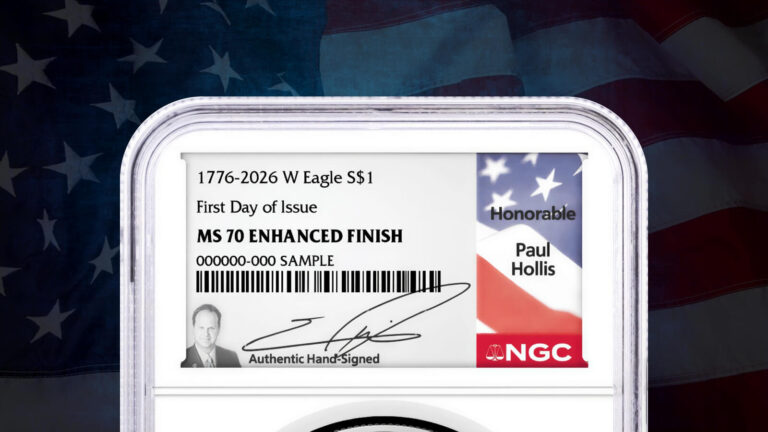
What Is First Day of Issue?
"First Day of Issue" is an NGC designation for a coin bought on the first day a mint puts a new issue on sale — and sent to NGC within a week. It is a pedigree, not a grade: it records the timing of the purchase and the submission, not the quality of the strike. The designation is narrow by design: it is usually available only for bulk submissions or at trade shows, it costs extra, and the submitter must prove the purchase date with receipts.
What Is a Type-2 Silver Eagle?
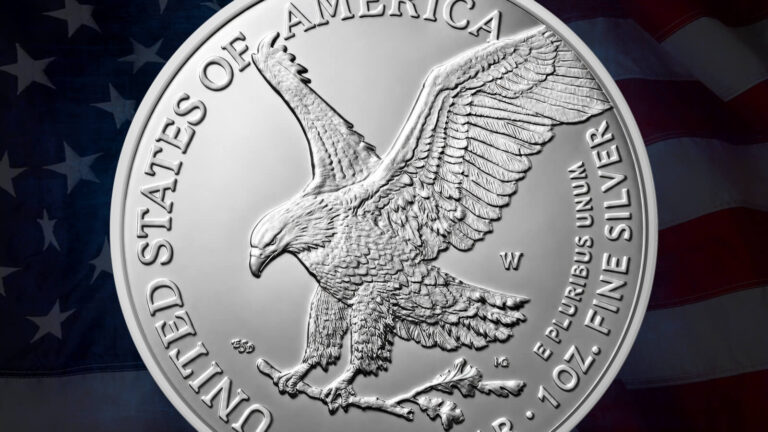
A Type-2 Silver Eagle is an American Silver Eagle struck with the coin's current reverse — Emily Damstra's eagle coming in for a landing with an oak branch, introduced in mid-2021 for the series' 35th anniversary. It replaced John Mercanti's heraldic eagle, which had appeared on the coin since 1986. The obverse is still Weinman's Walking Liberty, refreshed, and the coin still holds one ounce of .999 fine silver.
What Is a Type-1 Silver Eagle?
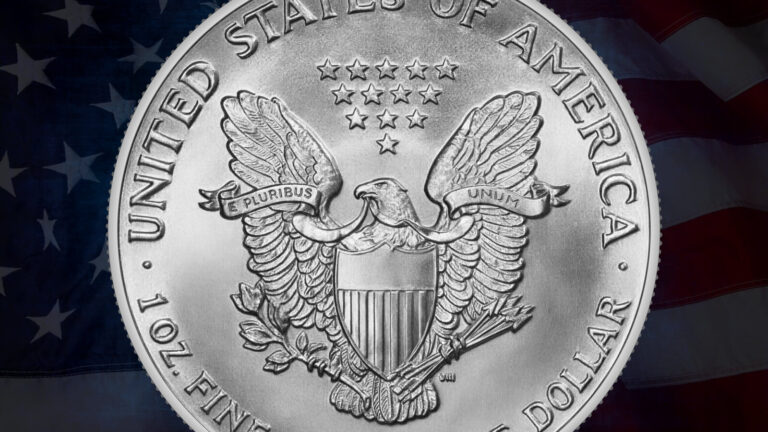
A Type-1 Silver Eagle is an American Silver Eagle struck with the coin's original reverse — John Mercanti's heraldic eagle, used from the series' first issue in 1986 until the design changed in mid-2021. The name "Type 1" comes from the grading services, which use it on their labels to separate the original reverse from the Type 2 reverse that replaced it. The Walking Liberty obverse, the ounce of .999 fine silver, and the one-dollar face value stayed the same.