



Articles by Chris Clifton
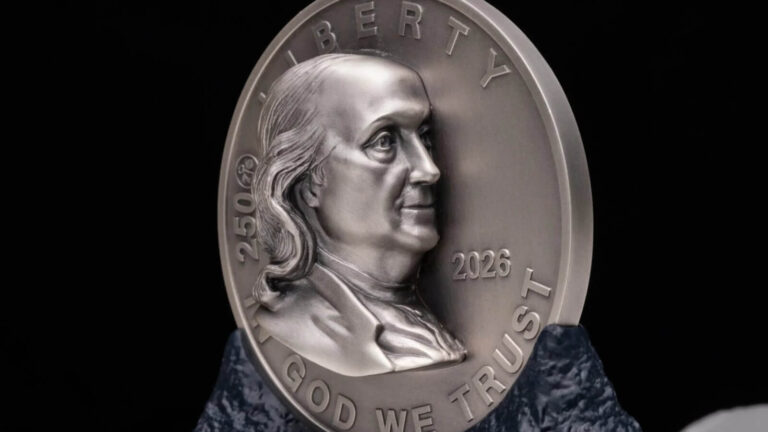
What Is the Coming To Life™ 2026 Franklin Half Dollar
The Coming To Life 2026 Franklin Half Dollar is an original silver sculpture-coin by Michael Gaudioso: a dramatic three-dimensional interpretation of John R. Sinnock's Franklin half dollar, hand-sculpted by Gaudioso and produced by the private The XceptionalMint for the Oglala Lakota Sioux Nation. Struck in 5 ounces of .999 fine silver with a maximum mintage of 2,250, it is not a reissue of the 1948–1963 half dollar and not a U.S. Mint product — it is Gaudioso's extrapolation of Sinnock's design into full sculptural depth, issued as a half dollar of the Oglala Lakota Sioux Nation.
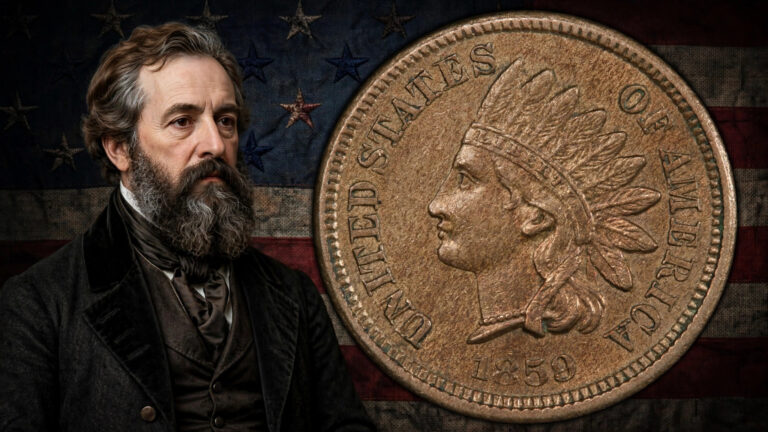
Who Was James Ross Snowden, the Director Who Invented the Mint’s Collector Business?
James Ross Snowden was Director of the United States Mint from June 1853 to May 1861, and the first director to treat collectors as a constituency of the Mint itself. A numismatist in office, he built up the Mint Cabinet — the national coin collection — catalogued it in print, and financed additions by selling or trading Mint-made patterns, restrikes and medals to collectors. He also directed the launch of the small Flying Eagle cent under the Coinage Act of February 21, 1857.
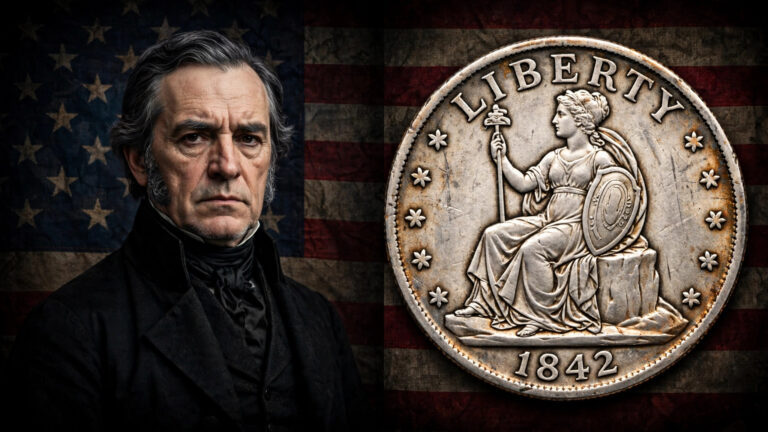
Who Was Robert Patterson, the Director Behind Seated Liberty?
Robert Maskell Patterson was Director of the United States Mint from 1835 to 1851 — the son of an earlier director also named Robert Patterson. Appointed by President Andrew Jackson, he drove the creation of Christian Gobrecht's Seated Liberty design, which spread across America's silver coinage beginning with the Gobrecht dollars of 1836 and the dime and half dime of 1837 and endured, in places, until 1891. He also resisted the gold dollar and double eagle authorized in 1849, and lost that fight to Congress.
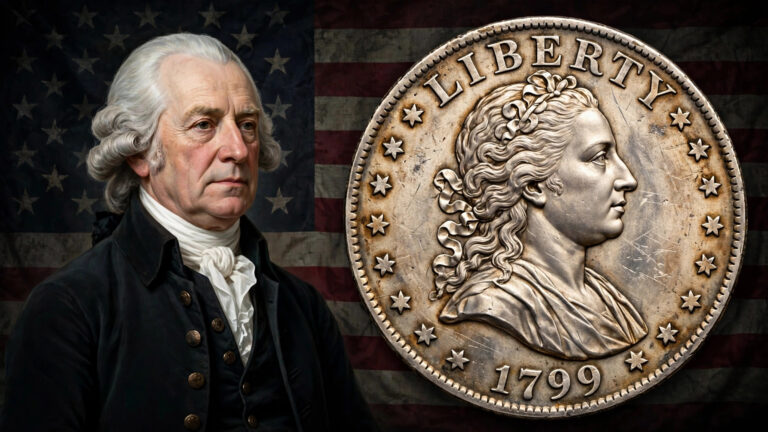
Who Was Elias Boudinot, the Director Who Steadied the Young Mint?
Elias Boudinot was the third Director of the United States Mint, serving from October 1795 to July 1805. A former president of the Continental Congress and a respected New Jersey statesman, he restored the legal silver standard on taking office, kept the chronically underfunded Mint operating — at times depositing his own bullion to keep workers employed — and halted production of silver dollars and gold eagles in 1804 because the large coins were being exported and melted rather than circulating at home.
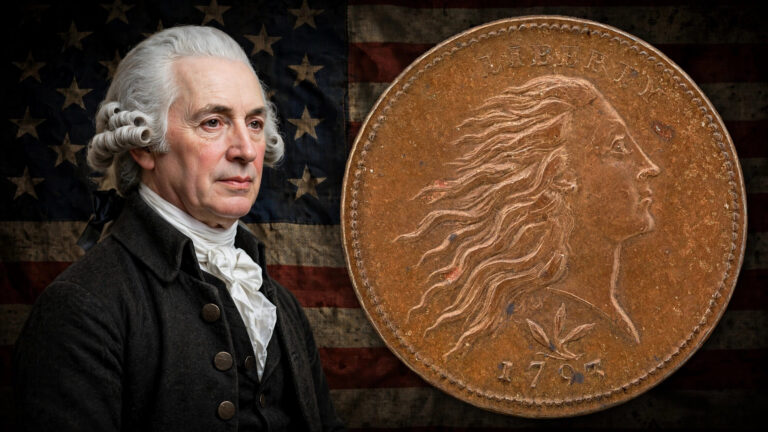
Who Was David Rittenhouse, America’s First Mint Director?
David Rittenhouse was the first Director of the United States Mint, appointed by President George Washington in April 1792 and serving until June 1795. A leading astronomer, instrument maker and scientist, he built the Mint from nothing — hiring its officers, overseeing its first buildings in Philadelphia and launching copper coinage in 1793 and silver coinage in 1794. His tenure is also remembered for a controversial decision to strike the first silver coins finer than the law allowed.
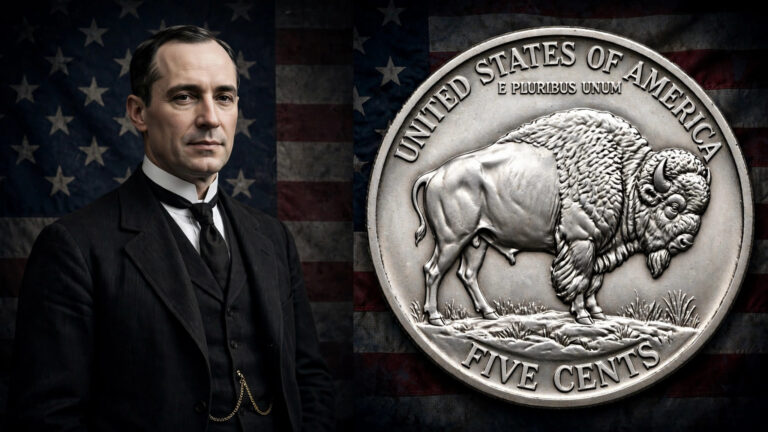
Who Was Robert Woolley, the Director Behind the 1916 Redesigns?
Robert Wickliffe Woolley was Director of the United States Mint from March 1915 to July 1916, and he was the director behind the 1916 redesigns in an administrative sense: he set the replacement of the Barber dime, quarter and half dollar in motion and approved its results. Woolley first gave Chief Engraver Charles E. Barber the chance to design the new coins, accepted the Commission of Fine Arts' verdict when Barber's sketches failed to impress, and oversaw the outside competition that chose Adolph A. Weinman's Winged Liberty dime and Walking Liberty half dollar and Hermon MacNeil's Standing Liberty quarter. The artistry belonged to the sculptors; the decision to hold the competition, and to back its winners, belonged to Woolley and Treasury Secretary William G. McAdoo.
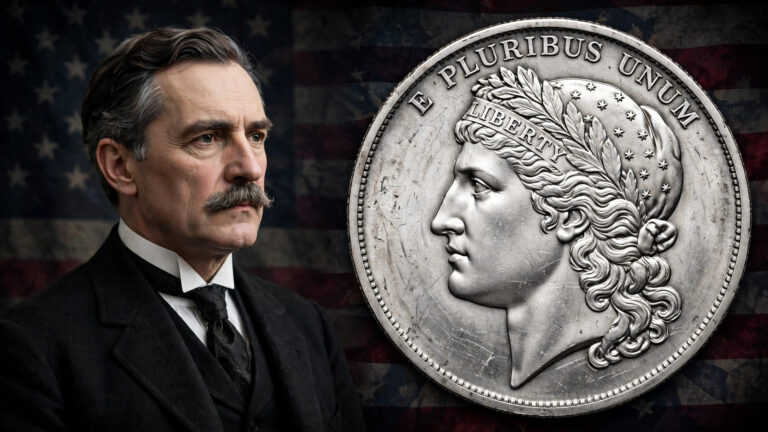
Who Was Frank Leach, the Director Who Fought to Strike the Saint-Gaudens Coins?
Frank Aleamon Leach was Director of the United States Mint from September 1907 to August 1909, and he fought to strike the Saint-Gaudens coins by taking President Theodore Roosevelt's side against his own Mint's production objections. Saint-Gaudens had died in August 1907, before his eagle and double eagle were ready for mass production, and the high-relief double eagle needed repeated blows from a medal press to strike up fully. Leach pushed the work through anyway, authorised a lower-relief version for circulation, oversaw Bela Lyon Pratt's recessed Indian Head quarter eagles and half eagles in 1908, and authorised the V.D.B. initials on the new Lincoln cent in 1909.
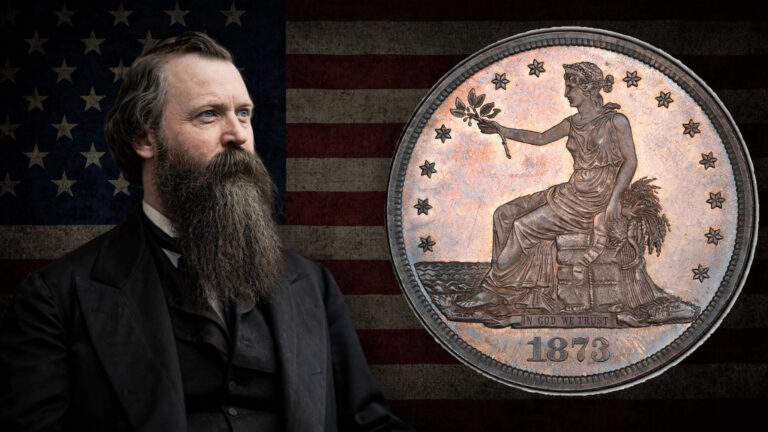
Who Was William M. Stewart, the Senator Who Branded 1873 a Crime?
William Morris Stewart (1827–1909) was Nevada's first senator, the mining lawyer known as the "Father of the Mining Laws of the United States" for the federal mining statutes of 1866 and 1872. His place in coin history is stranger. Stewart was in the Senate in 1873 and voted for the Coinage Act that ended the silver dollar — and then, after silver's price collapsed, he returned to the Senate in 1887 and spent eighteen years denouncing that act as the "Crime of '73," claiming its passage had been a deception. The voting record is the honest footnote to his legend: the man who made "crime" the act's permanent name had been one of its supporters.
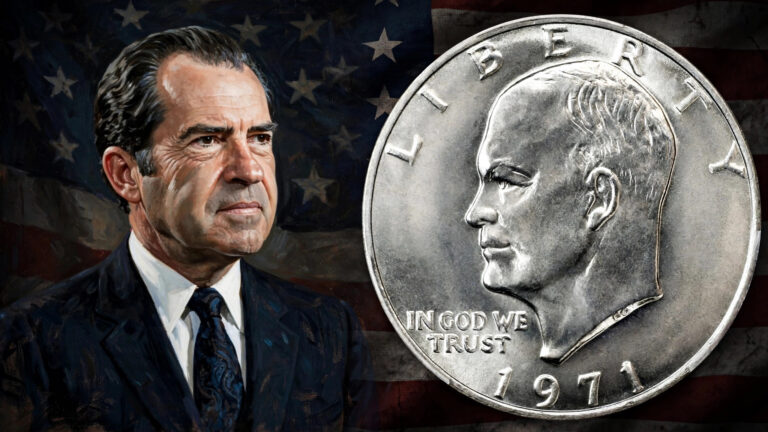
How Did Richard Nixon End the Dollar’s Last Link to Gold?
Richard Nixon ended the dollar's last link to gold personally, on live television, on August 15, 1971, when he announced that the United States would stop converting dollars into gold for foreign governments — closing the "gold window" that had anchored the world monetary system since 1944. The same president also signed the law that created the Eisenhower dollar and removed the last silver from the half dollar, and the act that put Bicentennial designs on the quarter, half dollar, and dollar.
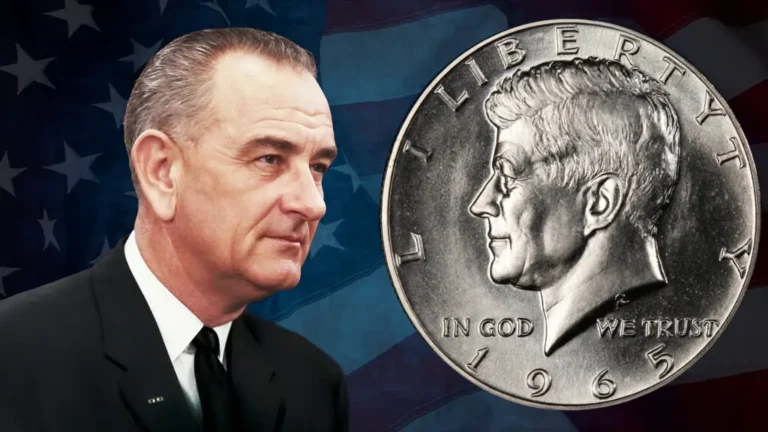
How Did Lyndon B. Johnson End Silver Coinage?
Lyndon B. Johnson ended silver coinage by proposing it himself and then signing it into law. On June 3, 1965 he asked Congress to take silver out of American coins, and on July 23, 1965 he signed the Coinage Act of 1965 (Public Law 89-81), which stripped silver from dimes and quarters entirely, cut the half dollar to 40 percent silver, and stopped silver dollar production — closing the silver system that dated to 1792.