



Articles by Chris Clifton
Why Did the U.S. Stop Making Silver Coins?
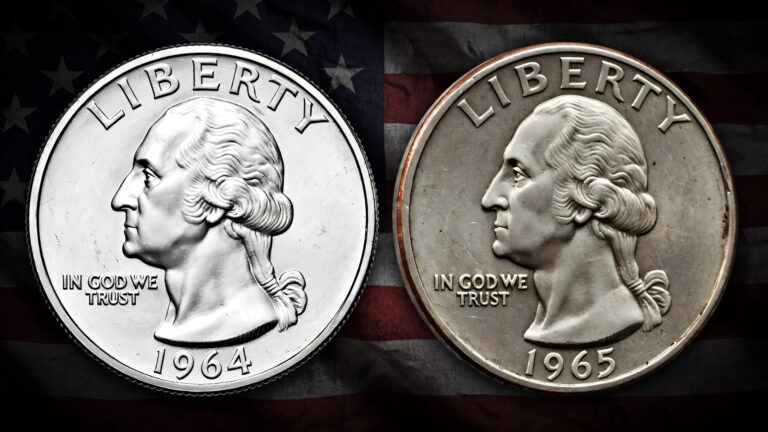
The U.S. stopped making silver circulating coins because silver became worth more than the coins' face values: by the early 1960s, the metal in a silver dime was worth more than ten cents, so coins were hoarded and melted, and the coin supply contracted into a crisis. The Coinage Act of 1965 resolved it by replacing silver dimes and quarters with copper-nickel clad coins, ending a silver tradition that stretched back to 1792.
Where Did Coin Collecting Begin?
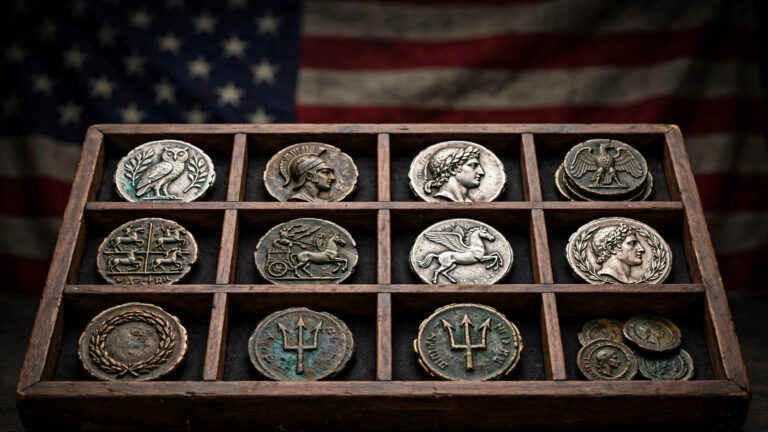
Coin collecting began with ancient coins. The first coins were struck in Lydia, in what is now Turkey, around the 7th century BCE: small lumps of electrum, a natural alloy of gold and silver, stamped with a design — often a lion's head — to certify weight and purity. From Lydia, coinage spread across the Greek world and then the Roman Empire, becoming the trade, propaganda, and art of the ancient world — and the hobby's oldest tradition is still one of its most rewarding.