


Since 2011, Coin Advisor has been providing coin collectors value, education and opportunity. On the Money reflects our commitment to educating coin collectors. Our experienced staff as well as outsourced industry professionals, take time discussing current and past coin topics and delivering that insight to our readers, from historical subjects dated back to ancient times all the way into the future, where we discuss upcoming releases and news. After all, an educated collector makes better collecting decisions.
Latest Articles
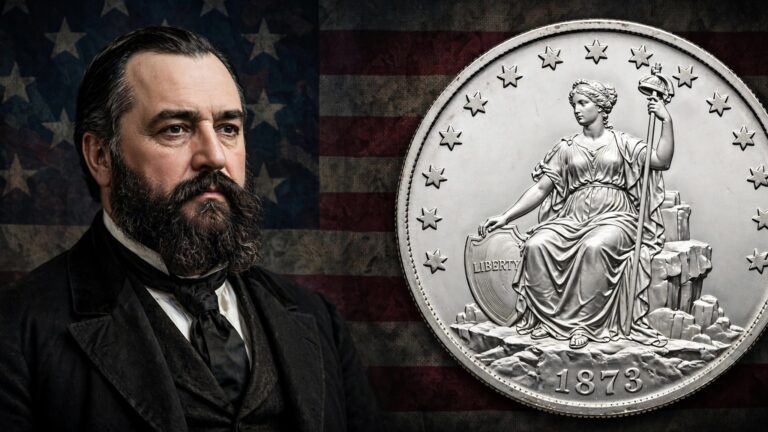
What Was the ‘Crime of ’73’ That Ulysses S. Grant Signed?
The "Crime of '73" is the bitter name silver interests gave the Coinage Act of February 12, 1873, which Ulysses S. Grant signed as a routine Mint housekeeping bill. Buried in its revision of the mint laws was one quiet omission: the standard silver dollar no longer appeared on the list of authorized coins, ending the free coinage of silver in the United States. The same act created the Trade dollar, abolished the two-cent piece, three-cent silver, and half dime, and slightly raised the weight of the remaining silver coins. Almost nobody noticed at the time — the explosion came three years later.
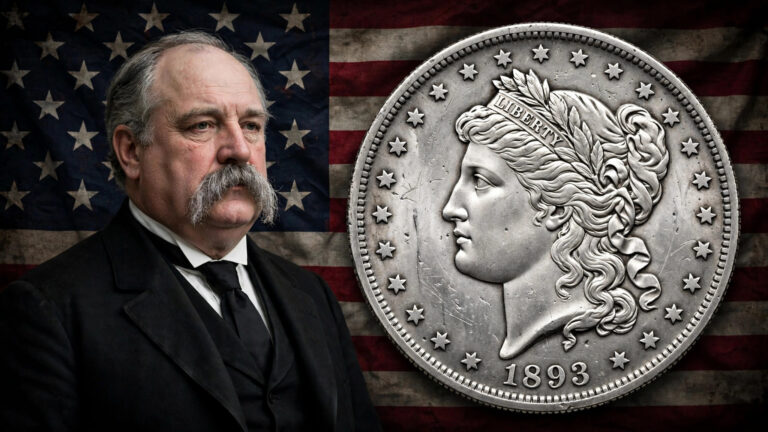
How Did Grover Cleveland’s Silver Repeal Create the Key-Date Morgans?
Grover Cleveland did not merely sign a coinage law — he forced one through. When the Panic of 1893 drained the Treasury's gold reserve below its symbolic $100 million floor, on April 22, 1893, Cleveland called Congress into special session for the single purpose of repealing the Sherman Silver Purchase Act, demanded repeal with no free-silver substitute, and pressured his own party's senators until he could sign the repeal on November 1, 1893. With the government no longer required to buy silver and coin it into dollars, Morgan dollar production collapsed — and the tiny mintages of 1893–95 became the key dates collectors chase today.
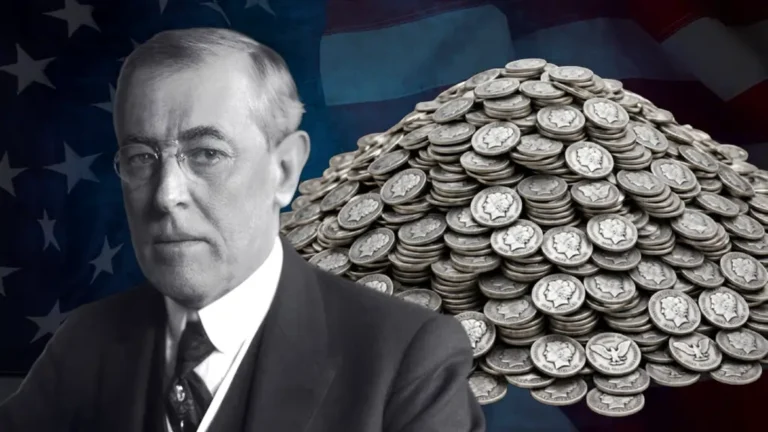
Why Did Woodrow Wilson Melt 270 Million Silver Dollars?
Woodrow Wilson signed the Pittman Act on April 23, 1918, a wartime measure that authorized melting up to 350 million silver dollars to supply Britain with bullion for India. In the end 270,232,722 silver dollars — nearly half of all ever struck — were melted, and the law's replacement clause is the direct reason the Morgan dollar returned in 1921 and the Peace dollar was born.
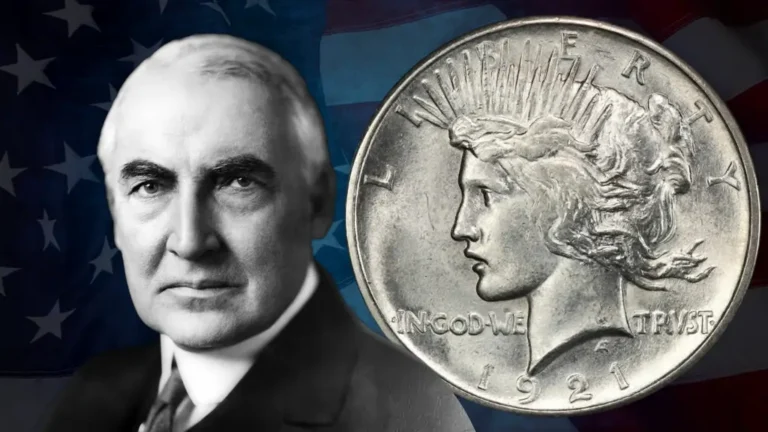
How Did Warren G. Harding Personally Shape the Peace Dollar?
Warren G. Harding shaped the Peace dollar with his own hand, unusually for a president. By Executive Order of July 28, 1921 he put coin designs under Commission of Fine Arts review, he personally approved Anthony de Francisci's winning drawings — objecting even to the dimple on Liberty's chin — and when veterans protested the broken sword on the reverse, he ordered it removed days before production began.
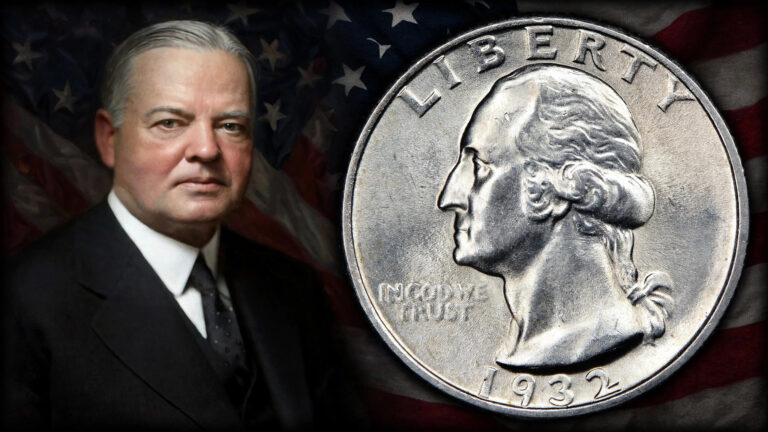
How Did Herbert Hoover End the First Commemorative Era and Start the Washington Quarter?
Herbert Hoover did both with a veto pen and a signature a year apart. On April 21, 1930 he vetoed a commemorative coin bill with a long message warning that the 1920s commemorative boom invited counterfeiting and produced coins nobody bought — a stance that helped end the classic commemorative era — and in March 1931 he signed the law putting George Washington's portrait on the quarter for the 1932 bicentennial.
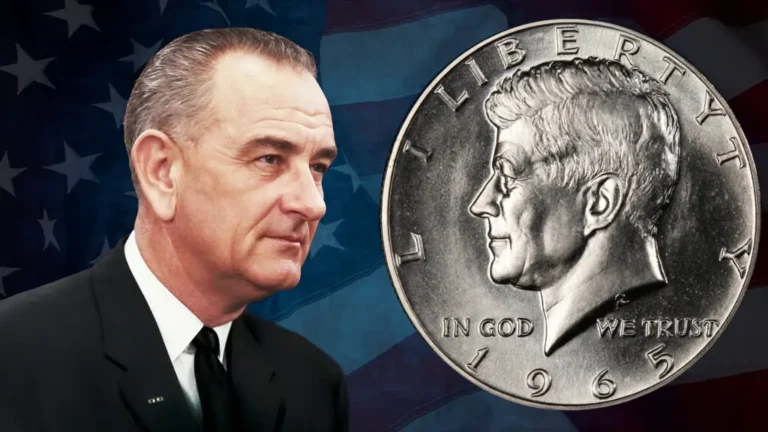
How Did Lyndon B. Johnson End Silver Coinage?
Lyndon B. Johnson ended silver coinage by proposing it himself and then signing it into law. On June 3, 1965 he asked Congress to take silver out of American coins, and on July 23, 1965 he signed the Coinage Act of 1965 (Public Law 89-81), which stripped silver from dimes and quarters entirely, cut the half dollar to 40 percent silver, and stopped silver dollar production — closing the silver system that dated to 1792.
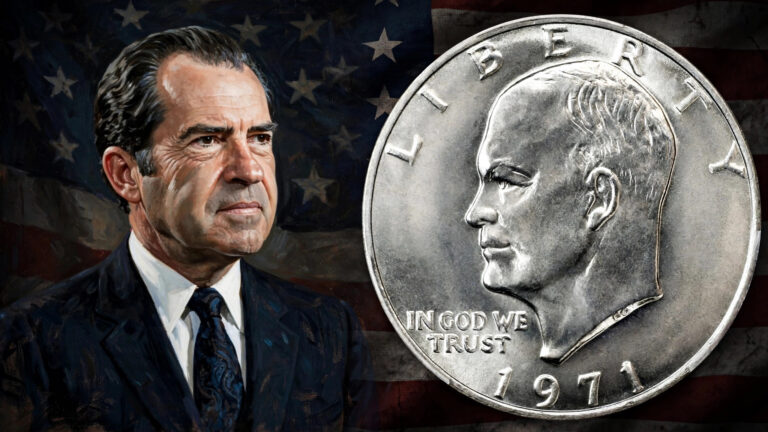
How Did Richard Nixon End the Dollar’s Last Link to Gold?
Richard Nixon ended the dollar's last link to gold personally, on live television, on August 15, 1971, when he announced that the United States would stop converting dollars into gold for foreign governments — closing the "gold window" that had anchored the world monetary system since 1944. The same president also signed the law that created the Eisenhower dollar and removed the last silver from the half dollar, and the act that put Bicentennial designs on the quarter, half dollar, and dollar.
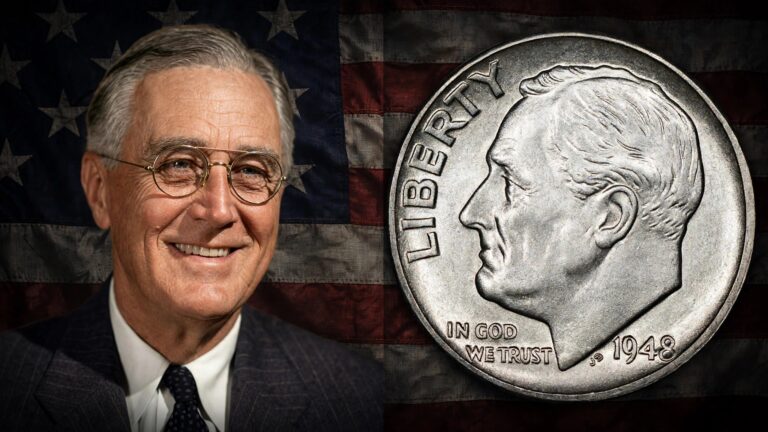
How Did Franklin D. Roosevelt End America’s Gold Coinage?
Franklin D. Roosevelt ended America's gold coinage in less than a year. On April 5, 1933, barely a month into his presidency, he signed Executive Order 6102, which required Americans to turn in their gold coins, bullion, and gold certificates to the government. The Gold Reserve Act of January 1934 then made the change permanent, ended gold coinage for good, and raised the official price of gold from $20.67 to $35 an ounce. Gold coins had circulated in the United States since the 1790s; after Roosevelt, they never circulated again.
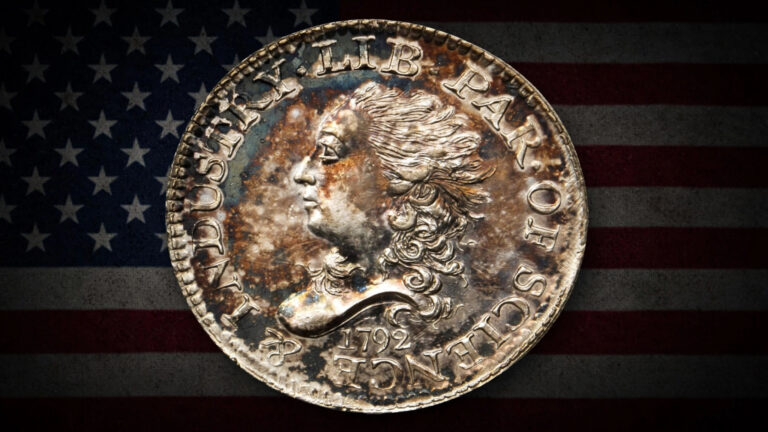
What Was the Coinage Act of 1792?
The Coinage Act of 1792 created American money: it established the dollar as the basic unit, divided into 100 cents; defined the dollar in silver with a 15-to-1 gold-to-silver ratio; created the United States Mint in Philadelphia; and authorized the first denominations, from the dollar down to the half cent. Before it, America had no national currency — only a chaotic mix of foreign coins, state issues, and private tokens.