


Since 2011, Coin Advisor has been providing coin collectors value, education and opportunity. On the Money reflects our commitment to educating coin collectors. Our experienced staff as well as outsourced industry professionals, take time discussing current and past coin topics and delivering that insight to our readers, from historical subjects dated back to ancient times all the way into the future, where we discuss upcoming releases and news. After all, an educated collector makes better collecting decisions.
Latest Articles
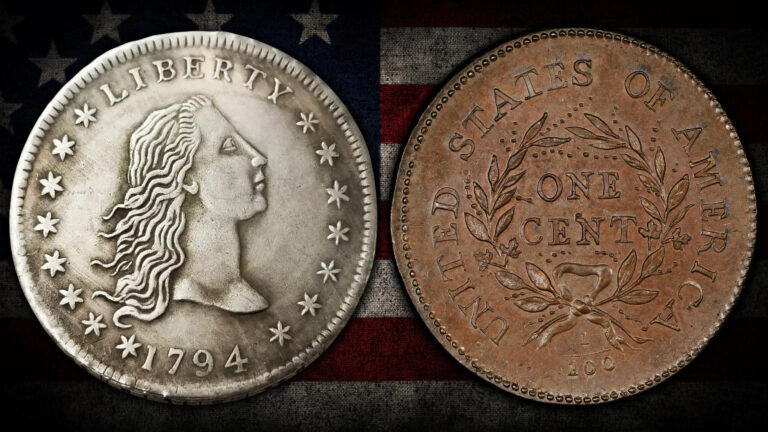
What Were the First U.S. Coins?
The first coins struck for circulation by the United States Mint were the 1793 cents and half cents, carrying the Flowing Hair design: Liberty with long, flowing hair on the obverse, and a chain of fifteen links — one for each state in the Union — on the reverse. The chain proved unpopular, seen by some as a symbol of bondage rather than unity, and was quickly replaced by a wreath. The Chain cent, struck for only a few months, became one of the most famous coins in American numismatics.
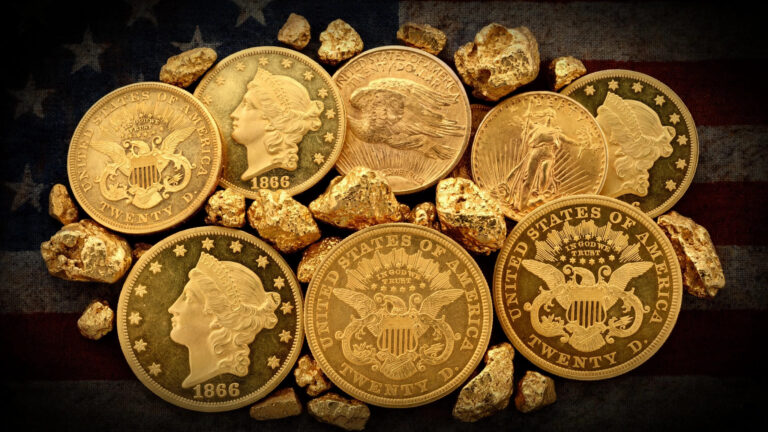
How Did the California Gold Rush Change American Coinage?
The California Gold Rush of 1848 remade American coinage: it overwhelmed the existing mints, forced the creation of the San Francisco Mint (1854) and the New York Assay Office, created two new denominations — the gold dollar (1849) and the double eagle (1850) — and, by flooding the economy with gold, made silver too valuable to use as money, triggering the silver shortage that led to the Coinage Act of 1853.
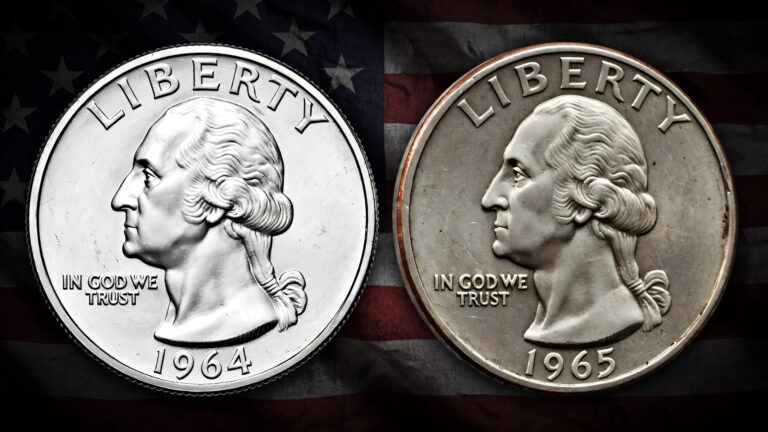
Why Did the U.S. Stop Making Silver Coins?
The U.S. stopped making silver circulating coins because silver became worth more than the coins' face values: by the early 1960s, the metal in a silver dime was worth more than ten cents, so coins were hoarded and melted, and the coin supply contracted into a crisis. The Coinage Act of 1965 resolved it by replacing silver dimes and quarters with copper-nickel clad coins, ending a silver tradition that stretched back to 1792.
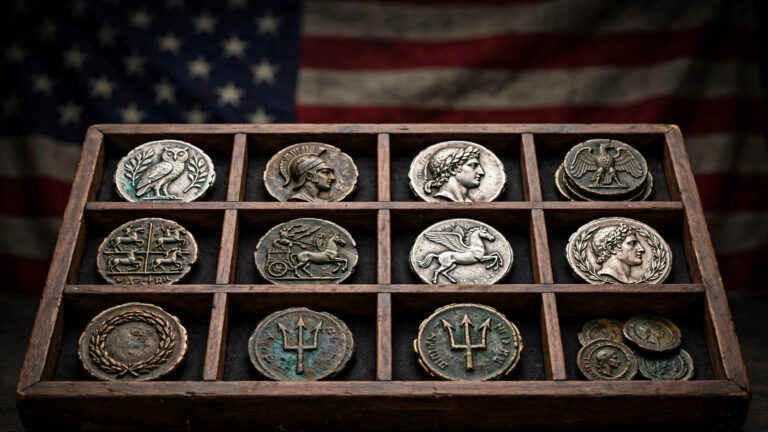
Where Did Coin Collecting Begin?
Coin collecting began with ancient coins. The first coins were struck in Lydia, in what is now Turkey, around the 7th century BCE: small lumps of electrum, a natural alloy of gold and silver, stamped with a design — often a lion's head — to certify weight and purity. From Lydia, coinage spread across the Greek world and then the Roman Empire, becoming the trade, propaganda, and art of the ancient world — and the hobby's oldest tradition is still one of its most rewarding.