



Articles by Chris Clifton
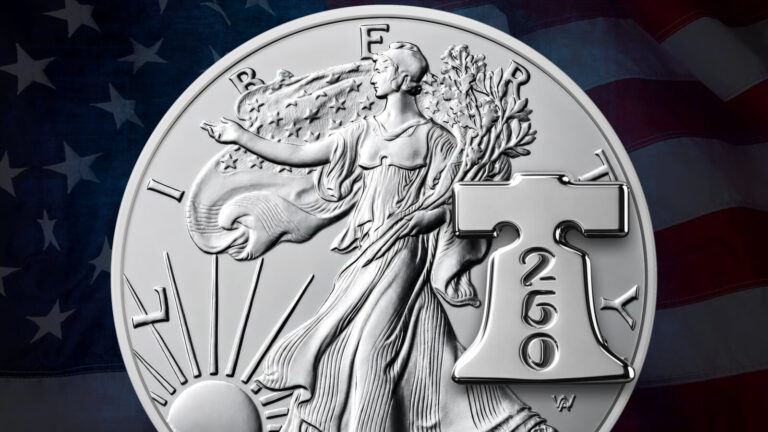
What Is a Privy Mark?
A privy mark is a small symbol added to a coin's design that says something about how or why the coin was made. In past centuries it identified the mint or moneyer or foiled counterfeiters; today it usually marks a special issue or commemorates an event. It is not a mint mark: the mint mark says where a coin was struck, and the privy mark says something else. In 2026, the Liberty Bell privy mark with the numeral "250" marks America's 250th anniversary on the proof and Enhanced Uncirculated Silver Eagles.
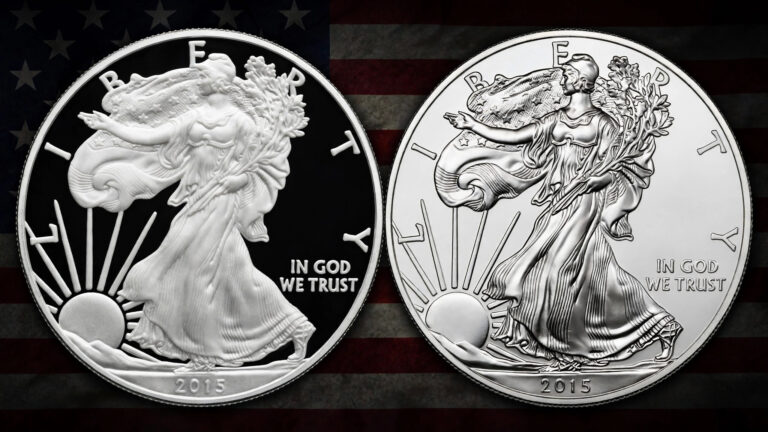
What’s the Difference Between Proof and Reverse Proof Coins?
A reverse proof is a proof with the contrast flipped: frosted fields and mirrored devices, instead of mirrored fields and frosted devices. It is made by the same proof process — polished dies, multiple strikes — so it grades with the same PF prefix. The first U.S. reverse proof was the 2006-P Silver Eagle, struck only for the 20th Anniversary 3-coin set.
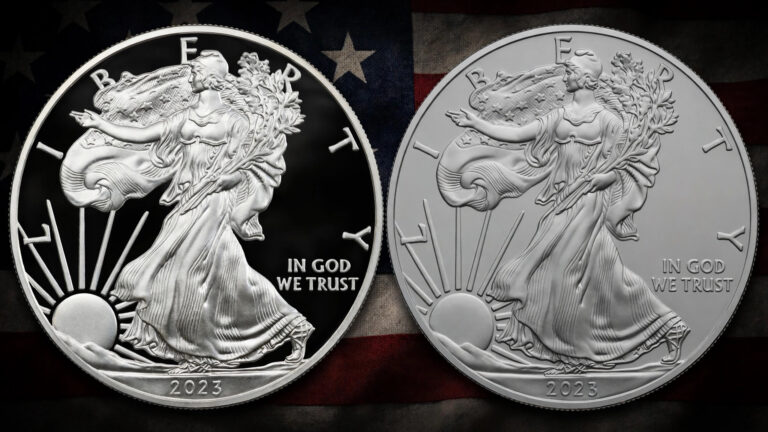
What’s the Difference Between Proof and Burnished Coins?
Proof and burnished are the Mint's two collector finishes, and they sit at opposite ends of the contrast scale. A proof is struck multiple times with specially polished dies, giving it mirrored fields and frosted devices. A burnished coin is struck only once with standard dies on a polished planchet, giving it a soft, satin glow — a third finish, between a standard strike and a proof.
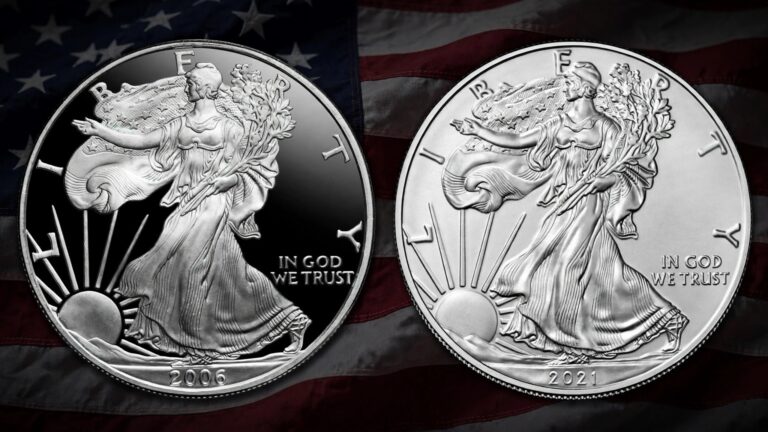
What’s the Difference Between Proof and Mint State Coins?
Proof and Mint State answer two different questions about a coin. "Proof" describes how the coin was made — struck more than once with polished dies and planchets, giving it mirrored fields and frosted devices. "Mint State" describes the coin's condition — no wear at all, graded MS60 to MS70 — and it usually applies to a coin struck once, the ordinary way.

What Is a Modified Proof Coin?
A Modified Proof is not a general finish — it is the name of one specific coin. The 2019 Canadian Silver Maple Leaf in the Pride of Two Nations set was struck in a proof finish modified with a radial-lines background and a perimeter pattern of stars and miniature maple leaves on both sides. Neither mint nor the grading services publish a standalone definition of "Modified Proof" beyond that coin.
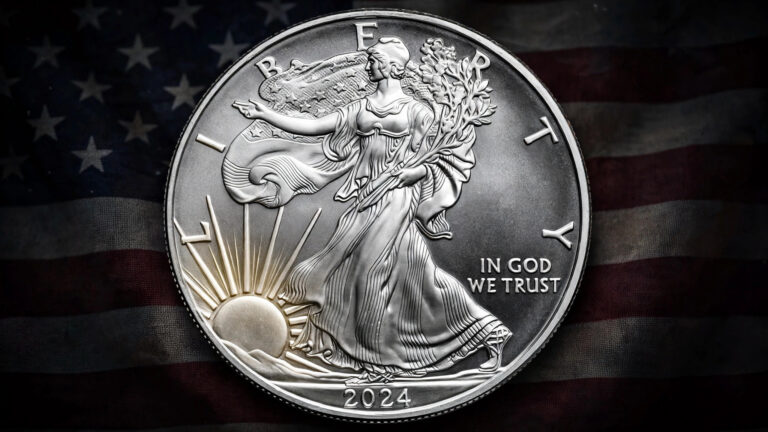
What Is an Enhanced Reverse Proof Coin?
An Enhanced Reverse Proof starts with a reverse proof — mirrored devices against frosted fields, the exact opposite of a conventional proof — and adds selective frosting to individual design elements, so different parts of the design shine at different levels. NGC describes these coins as ENHANCED REV PF. The landmark example is the 2019-S American Silver Eagle.
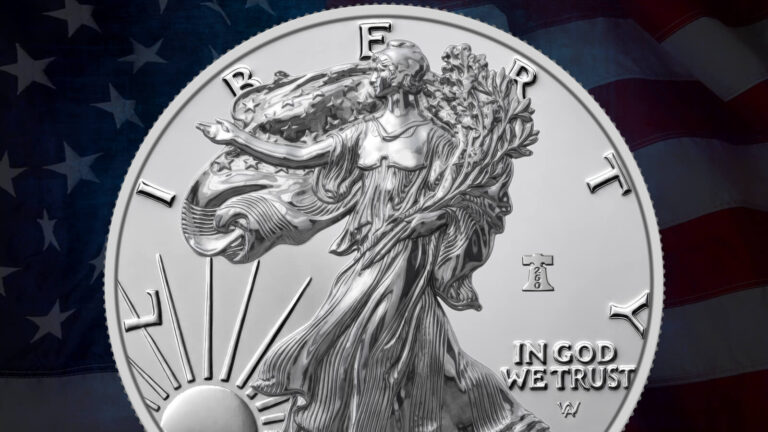
What Is the Enhanced Uncirculated Finish?
The Enhanced Uncirculated finish is a Mint finish that gives an uncirculated coin the contrast of a proof without the mirror. It combines two laser treatments — laser-frosted design elements against an unpolished field — so different parts of the design shine at different levels. It has appeared on the American Silver Eagle only twice: in 2013 and again on the 2026 semiquincentennial issue.
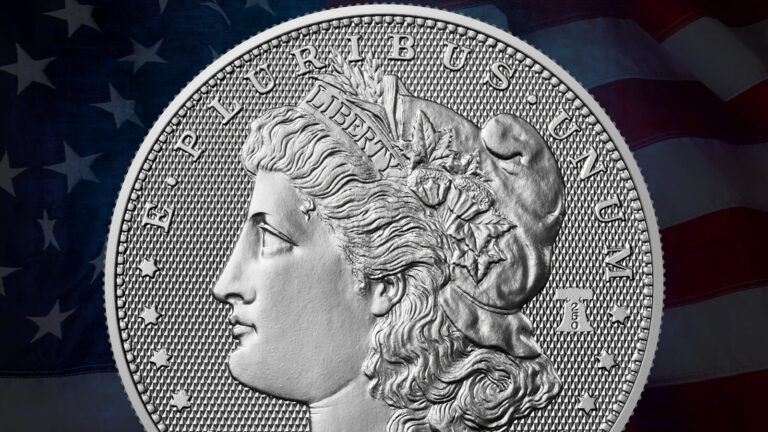
What Is a Diamond Field on a Coin?
A diamond field is a finish the U.S. Mint created for the 250th anniversary of the nation's founding: instead of a smooth, flat field, the background of the coin is covered in a repeating pattern of tiny diamond-shaped facets that catch the light as the coin turns. It appears on exactly two coins — the 2026 Morgan and Peace dollars in the Diamond Field Two-Coin Set — and the Mint says the finish has never appeared on a U.S. coin before.
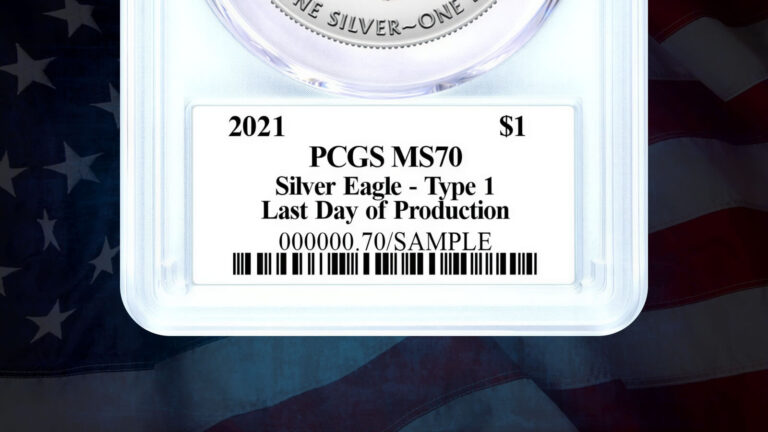
What Is Last Day of Production?
Last Day of Production is an NGC designation for coins struck on the final day a mint produces a particular coin — the last day of a production run. To earn it, the coins must reach NGC or an NGC-approved depository with mint documentation confirming they were struck on that last day. It is available only for bulk submissions, by advance request, at a higher fee — and not for submissions received in Mainland China. Like First Day of Production, it records when a coin was made, not how it was graded.
What Is the Binion Hoard?
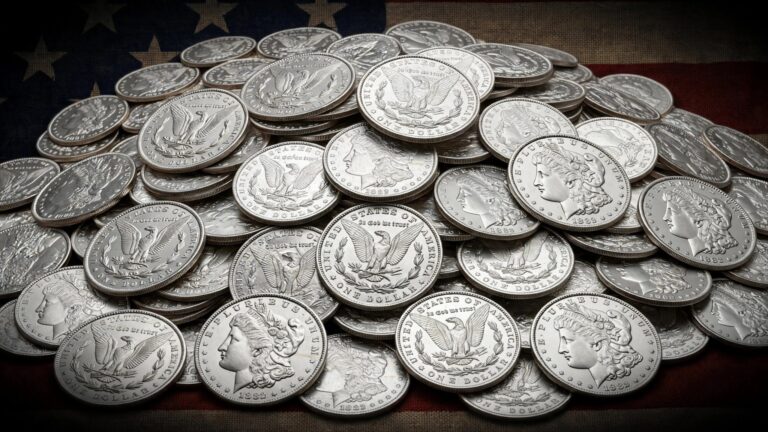
The Binion Hoard is the 135,000 silver dollars — mostly Morgan and Peace dollars — that Las Vegas casino executive Ted Binion kept in the vaults of Binion's Horseshoe Casino and later buried in a secret underground vault in Pahrump, Nevada. After Binion died in September 1998 and his death led to a murder investigation, his estate sold the silver in 2001; NGC certified the dollars in slabs labeled "Binion Collection."