


What Is an Enhanced Reverse Proof Coin?
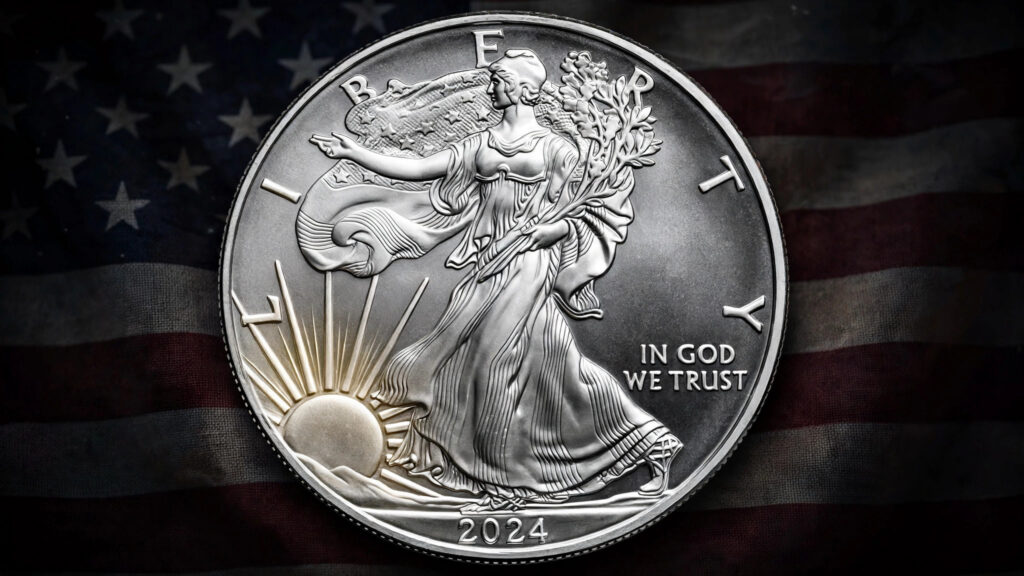
An Enhanced Reverse Proof starts with a reverse proof — mirrored devices against frosted fields, the exact opposite of a conventional proof — and adds selective frosting to individual design elements, so different parts of the design shine at different levels. NGC describes these coins as ENHANCED REV PF. The landmark example is the 2019-S American Silver Eagle.
Key Takeaways
- A reverse proof inverts a proof: mirrored devices, frosted fields.
- "Enhanced" adds selective frosting to design elements that would otherwise be fully mirrored.
- The finish uses computer-controlled lasers for multiple levels of frost.
- The 2019-S Silver Eagle is the famous example: 30,000 limit, 29,909 sold.
What is a reverse proof?
Start with a proof, then flip it. A conventional proof has frosted devices — the raised parts of the design — against mirrored fields, the flat background. A reverse proof reverses the relationship: the devices are mirrored and the fields are frosted. NGC puts it plainly: "on a Reverse Proof the design elements are mirrored while the fields are frosted — the exact opposite of a traditional Proof." The name is a small trap: "reverse proof" does not mean only the reverse side is struck in proof finish. Both sides carry the finish; the word "reverse" describes the reversed contrast, not the reverse of the coin. The U.S. Mint first issued a reverse proof in 2006, for the 20th anniversary of the Gold and Silver Eagle program — a 2006-P Silver Eagle with a mintage of 248,875.
What does "enhanced" add?
Layers. On a plain reverse proof, the devices are mirrored and the fields are frosted — two textures, one each. An Enhanced Reverse Proof adds selective frosting to the design elements that would otherwise be fully mirrored, so the design itself carries several levels of frost. NGC explains the technology: "Enhanced Reverse Proof was enabled by new technology at the US Mint that allows for multiple levels of frost using computer-controlled lasers." The result is a coin with frosted, semi-frosted, and mirrored portions in a single design — Liberty's figure, the eagle's feathers, and the fields each catch the light differently, and the design gains a depth that a two-texture coin cannot show.
Which coins are Enhanced Reverse Proofs?
The famous one is the 2019-S American Silver Eagle. The Mint announced it in November 2019, struck at San Francisco, with production limited to 30,000 coins and orders limited to one per household; each coin came with a numbered Certificate of Authenticity. It sold out in about twenty minutes, and 29,909 were sold — making it the lowest-mintage Silver Eagle issued on its own. The other Enhanced Reverse Proof Silver Eagle is the 2019-W, struck for the Pride of Two Nations set with the Royal Canadian Mint, with a mintage of 99,675. The Mint also strikes plain reverse proofs — the 2026 Morgan and Peace dollars, for example, were issued in reverse proof in July 2026. Those are not enhanced: the difference is the selective frosting, and only the coins the Mint names as enhanced carry it.
How do you read the label?
Grading services treat an Enhanced Reverse Proof as a proof strike, so the grade carries the PF prefix. NGC describes these coins as ENHANCED REV PF, as in ENHANCED REV PF 70, while a plain reverse proof is REVERSE PF. PCGS uses the words "Enhanced Reverse Proof" on the label. The finish is part of the coin's identity on the holder — it is how you tell an Enhanced Reverse Proof from a plain reverse proof of the same issue without the coin in hand.
| Proof | Reverse proof | Enhanced reverse proof | |
|---|---|---|---|
| Fields | Mirrored | Frosted | Frosted |
| Devices | Frosted | Mirrored | Mirrored, with selective frosting |
| Frost levels | Two | Two | Several, applied by laser |
| NGC label | PF | REVERSE PF | ENHANCED REV PF |
| Famous example | Annual proof sets | 2006-P Silver Eagle | 2019-S Silver Eagle |
FAQ
Is an Enhanced Reverse Proof a proof coin? Yes — it is struck by the proof process, and grading services grade it with the PF prefix.
What is the difference between a reverse proof and an enhanced reverse proof? A reverse proof has mirrored devices and frosted fields; an enhanced reverse proof adds selective frosting to the design elements, for several levels of frost.
Why is the 2019-S Silver Eagle so well known? Its production was limited to 30,000 and 29,909 were sold, making it the lowest-mintage Silver Eagle issued on its own — and it sold out in about twenty minutes.
Does "reverse proof" mean only the back of the coin is proof? No — both sides carry the finish. "Reverse" describes the reversed contrast, not the reverse of the coin.
Shop enhanced reverse proof coins at Coin Advisor or call (877) 540-2646.
This article was researched and drafted with AI assistance and reviewed and approved by [Author], [Role] at Coin Advisor, before publication.
Shop NGC and PCGS certified coins at Coin Advisor
Shop Coins →Related Reading
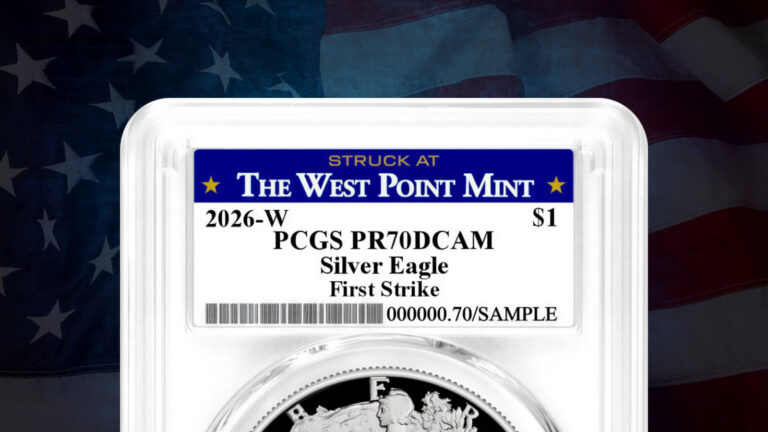
What Is First Strike?
First Strike is PCGS's designation for coins received by PCGS within 30 days of a new issue's release — or shipped in sealed Mint boxes postmarked within that window. It certifies when the coin left the Mint, not when it was struck. The U.S. Mint does not track the order in which it strikes coins and has said so publicly, so no label can prove a coin was literally struck first. NGC's equivalent 30-day designation is Early Releases, or First Releases.
Read More →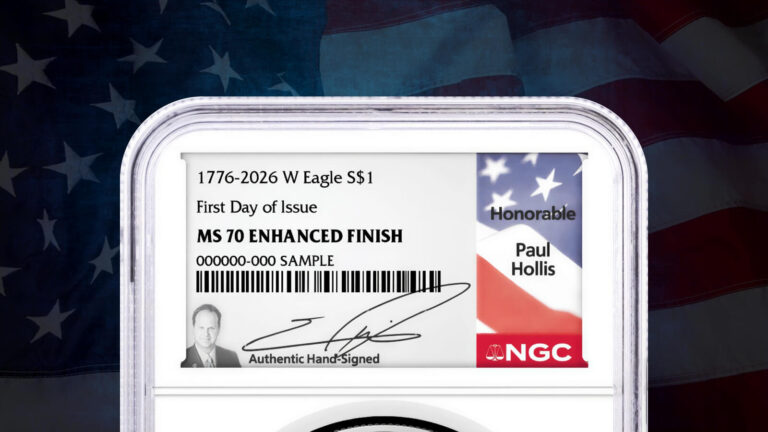
What Is First Day of Issue?
"First Day of Issue" is an NGC designation for a coin bought on the first day a mint puts a new issue on sale — and sent to NGC within a week. It is a pedigree, not a grade: it records the timing of the purchase and the submission, not the quality of the strike. The designation is narrow by design: it is usually available only for bulk submissions or at trade shows, it costs extra, and the submitter must prove the purchase date with receipts.
Read More →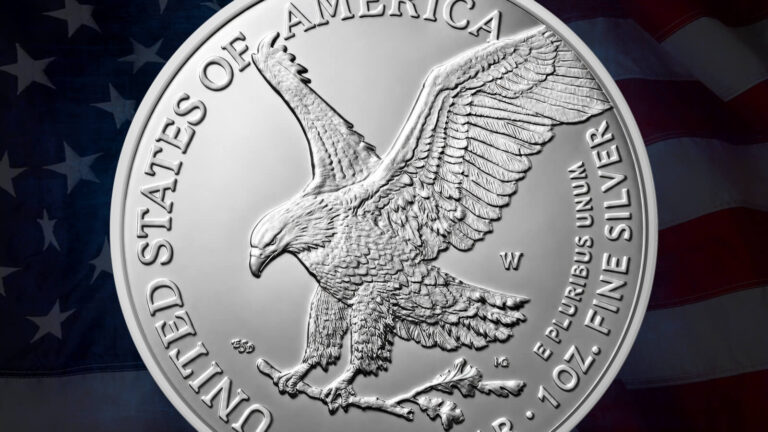
What Is a Type-2 Silver Eagle?
A Type-2 Silver Eagle is an American Silver Eagle struck with the coin's current reverse — Emily Damstra's eagle coming in for a landing with an oak branch, introduced in mid-2021 for the series' 35th anniversary. It replaced John Mercanti's heraldic eagle, which had appeared on the coin since 1986. The obverse is still Weinman's Walking Liberty, refreshed, and the coin still holds one ounce of .999 fine silver.
Read More →