


What Is First Day of Issue?
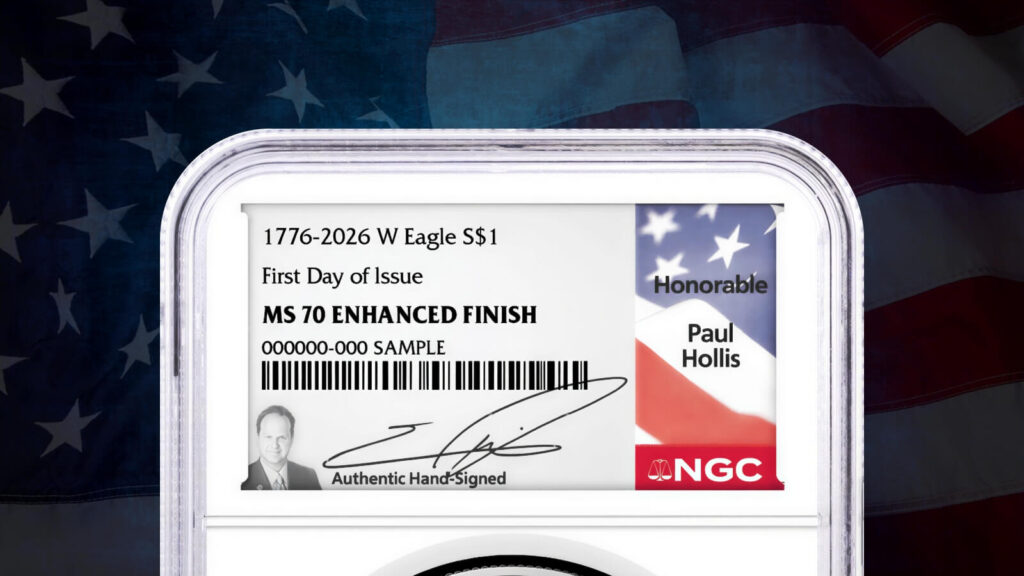
"First Day of Issue" is an NGC designation for a coin bought on the first day a mint puts a new issue on sale — and sent to NGC within a week. It is a pedigree, not a grade: it records the timing of the purchase and the submission, not the quality of the strike. The designation is narrow by design: it is usually available only for bulk submissions or at trade shows, it costs extra, and the submitter must prove the purchase date with receipts.
Key Takeaways
- NGC's designation for coins bought within one day of a new issue's first day of sale.
- The coins must reach NGC or an NGC-approved depository within one week of the release date.
- Available only by special request — usually bulk or trade shows — for a higher fee.
- It does not mean the coin was struck first — only when it was bought and submitted.
What does a coin have to do to qualify as First Day of Issue?
Two things, on a tight clock. The coin must be purchased within one day of the first day the mint makes the new issue available for sale, and received by NGC or an NGC-approved depository within one week of the release date. NGC requires purchase receipts to prove the date. Only certain coins and sets are eligible, and in most cases the designation is available only to bulk submitters or at select trade shows — and always by special request, for a higher grading fee. Coins sealed in US Mint-issue First Day Covers also qualify; private covers do not. Certain Official Mint Medals are eligible too.
How is First Day of Issue different from First Strike?
They come from different grading services and run on different clocks. First Day of Issue is NGC's designation, tied to the day of sale; First Strike is PCGS's, tied to a 30-day submission window — PCGS awards it to coins submitted within the first 30 days from the release date. NGC's counterpart is Early Releases (First Releases is interchangeable with it, same definition and cutoff dates). First Day of Issue is far narrower: a one-day purchase window and a one-week receipt window. One more distinction: NGC does not use "First Strike" as a timing designation at all. Its only use of the term is for coins struck during a first-strike ceremony at the Mint; its old "First Strikes" designation was discontinued after 2006.
| First Day of Issue | First Strike | Early Releases | |
|---|---|---|---|
| Grading service | NGC | PCGS | NGC |
| Purchase window | Within 1 day of first day of sale | None | None |
| Receipt window | Within 1 week of release | Within 30 days | Within 30 days |
| What it certifies | Bought day one; in within a week | Submitted within 30 days | Received within 30 days |
| Availability | Special request; bulk/trade shows | Standard option | Standard option |
Does First Day of Issue mean the coin was struck first?
No. It certifies when the coin was bought and when it reached the grading service — not when it was struck. The Mint begins production weeks before a release and does not track the order in which coins are minted, so no one can prove a coin was among the first struck, and the Mint does not use the term "First Strike" on any coin it sells. The same caution applies to NGC's location attributions: FIRST DAY — PHILADELPHIA, DENVER, and WASHINGTON record where the coin was purchased, not where it was struck. First Day of Issue coins are listed separately in the NGC Census and are Registry-eligible at the same point score as non-designated examples. The designation never changes the grade.
What should a collector check before buying a First Day of Issue coin?
Three things: the label, the certification number, and the source. The label must read FIRST DAY OF ISSUE — or FIRST DAY followed by a Mint location or a show name. Check the certification number against NGC's online database and confirm the coin, grade, and designation match. And buy from a source you trust: as a bulk or trade-show program, most collectors meet these coins on the secondary market.
FAQ
Is First Day of Issue the same as First Strike? No. First Day of Issue is NGC's designation — bought within one day of the first day of sale, received within a week; First Strike is PCGS's — submitted within 30 days of release.
Does First Day of Issue mean the coin was the first one struck? No — it records purchase and submission timing, not striking order. The U.S. Mint does not track the order in which coins are minted.
Can I submit a coin I bought on release day? Usually not — NGC generally offers it only for bulk submissions or at select trade shows, by special request and for a higher fee.
Does the designation change the grade or Registry score? No. The grade is unchanged, and in the Registry it scores the same as a non-designated example.
Shop certified coins at Coin Advisor or call (877) 540-2646.
This article was researched and drafted with AI assistance and reviewed and approved by [Author], [Role] at Coin Advisor, before publication.
Shop NGC and PCGS certified coins at Coin Advisor
Shop Coins →Related Reading
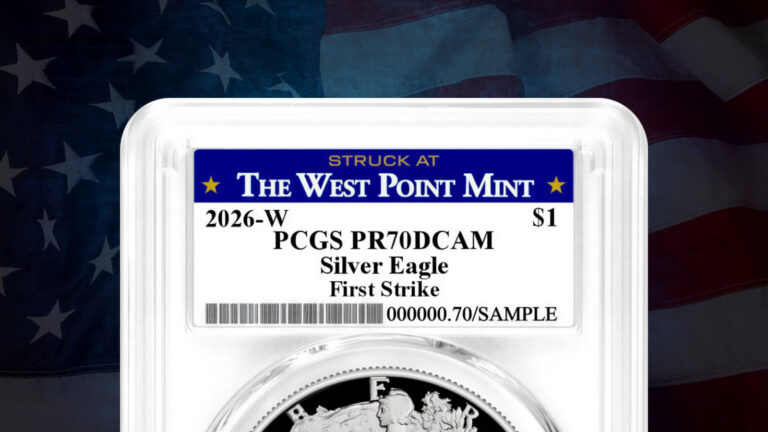
What Is First Strike?
First Strike is PCGS's designation for coins received by PCGS within 30 days of a new issue's release — or shipped in sealed Mint boxes postmarked within that window. It certifies when the coin left the Mint, not when it was struck. The U.S. Mint does not track the order in which it strikes coins and has said so publicly, so no label can prove a coin was literally struck first. NGC's equivalent 30-day designation is Early Releases, or First Releases.
Read More →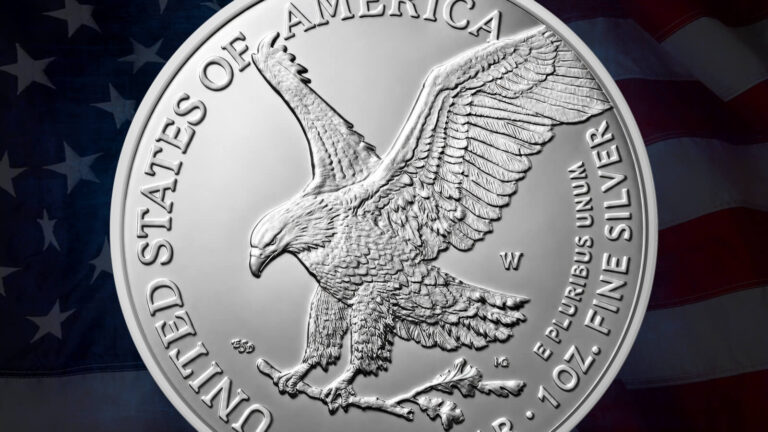
What Is a Type-2 Silver Eagle?
A Type-2 Silver Eagle is an American Silver Eagle struck with the coin's current reverse — Emily Damstra's eagle coming in for a landing with an oak branch, introduced in mid-2021 for the series' 35th anniversary. It replaced John Mercanti's heraldic eagle, which had appeared on the coin since 1986. The obverse is still Weinman's Walking Liberty, refreshed, and the coin still holds one ounce of .999 fine silver.
Read More →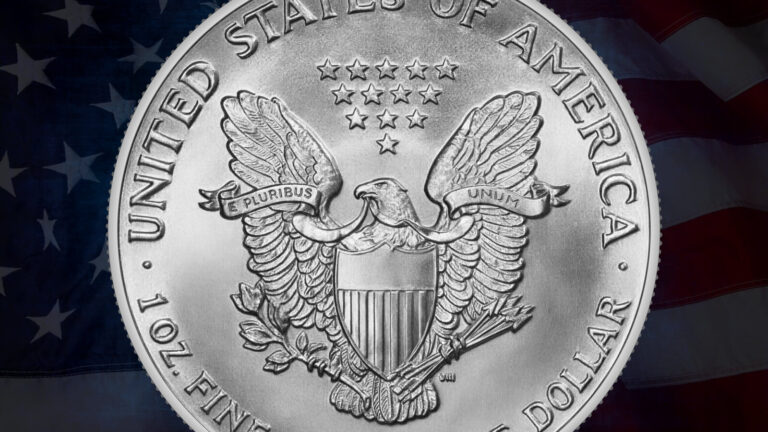
What Is a Type-1 Silver Eagle?
A Type-1 Silver Eagle is an American Silver Eagle struck with the coin's original reverse — John Mercanti's heraldic eagle, used from the series' first issue in 1986 until the design changed in mid-2021. The name "Type 1" comes from the grading services, which use it on their labels to separate the original reverse from the Type 2 reverse that replaced it. The Walking Liberty obverse, the ounce of .999 fine silver, and the one-dollar face value stayed the same.
Read More →