


What Is the Binion Hoard?
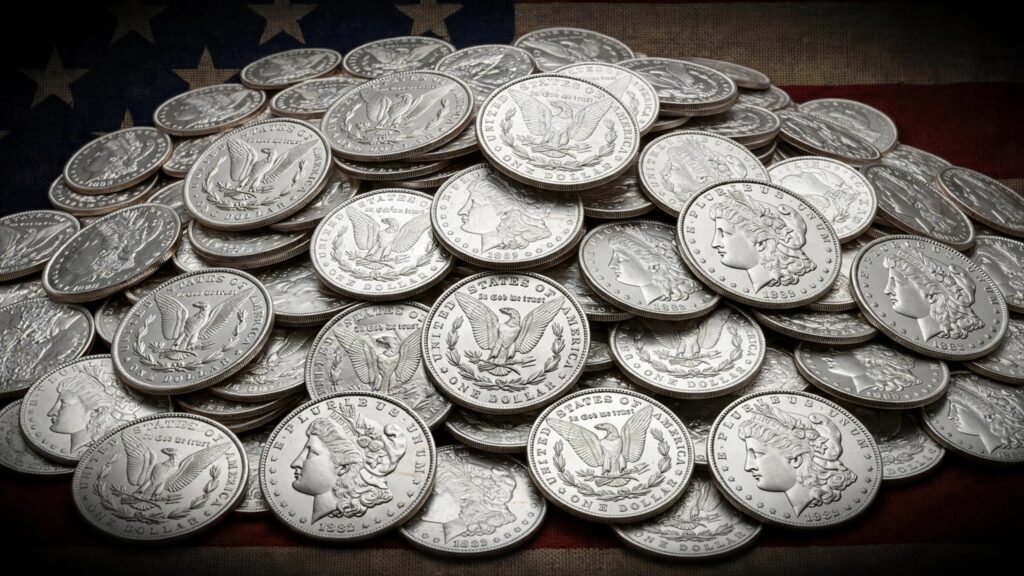
The Binion Hoard is the 135,000 silver dollars — mostly Morgan and Peace dollars — that Las Vegas casino executive Ted Binion kept in the vaults of Binion's Horseshoe Casino and later buried in a secret underground vault in Pahrump, Nevada. After Binion died in September 1998 and his death led to a murder investigation, his estate sold the silver in 2001; NGC certified the dollars in slabs labeled "Binion Collection."
Key Takeaways
- 135,000 silver dollars — about 46,000 pounds of silver — mostly Morgan and Peace dollars.
- Buried 12 feet deep in a concrete vault on a vacant lot in Pahrump, Nevada, in 1998.
- Binion died in September 1998; two days later, the men who built the vault were caught digging it up.
- Sold by the estate in 2001 to Spectrum Numismatic International; NGC slabbed the dollars as the "Binion Collection."
Who was Ted Binion?
Ted Binion was the son of Benny Binion, who founded Binion's Horseshoe Casino in Las Vegas, and he ran the family's casino business. Like many old Las Vegas operators, he distrusted banks and preferred to hold his wealth in something he could touch. Over his years at the Horseshoe, he gathered a vast stock of silver dollars — the coins that had once filled the casino's cages and slot machines — and kept them in the casino's vaults, along with silver bars and other silver coins.
Why was the silver buried in the desert?
In 1998, Binion had to move the silver out of the Horseshoe. He had a concrete vault built and buried 12 feet deep on a vacant lot he owned in Pahrump, Nevada, about 55 miles west of Las Vegas. That July, the silver — 135,000 silver dollars weighing about 46,000 pounds — was moved from the casino to the underground vault. Binion kept the location quiet, though he did tell a Nye County sheriff's deputy to keep an eye on the lot.
What happened after Binion died?
Binion died in September 1998 of a drug overdose, and the circumstances led to a murder investigation that made national headlines. Two days after his death, sheriff's deputies caught Richard Tabish — the man Binion had hired to build the vault — and associates digging up the silver in the middle of the night. His girlfriend, Sandy Murphy, and Tabish were charged with murder and theft; the murder convictions were later overturned on appeal, and Binion's death remains officially unresolved. The silver itself was held as evidence while the cases moved through the courts.
How did the coins reach collectors?
In October 2001, Binion's estate sold the silver to Spectrum Numismatic International for $3.3 million. About 50,000 of the dollars were uncirculated, and some were still in their original mint bags. NGC authenticated and graded the dollars and sealed them in slabs labeled "Binion Collection"; the other silver from the hoard was labeled "Nevada Silver Collection." The coins were then marketed to collectors over several years. One detail collectors love: of the 135,000 silver dollars, only one bore the Carson City mint mark.
| Binion Hoard dollar | Same-date Morgan or Peace dollar | |
|---|---|---|
| Provenance | Binion's Horseshoe Casino vaults, then buried in Pahrump | Circulated or held privately; story unknown |
| Label | NGC slab reading "Binion Collection" | Standard NGC or PCGS label |
| Contents | 135,000 dollars; about 50,000 uncirculated | All dates and mints |
| Carson City coins | Only one in the entire hoard | CC dates common in other hoards |
| Documentation | NGC pedigree on the label | None beyond the grade |
FAQ
How many coins were in the Binion Hoard? About 135,000 silver dollars, weighing roughly 46,000 pounds in total. Around 50,000 were uncirculated, and some were still in original mint bags.
Were there any Carson City dollars in the hoard? Only one. Of the 135,000 silver dollars, a single coin carried the CC mint mark.
What does the label say? NGC slabs for the silver dollars read "Binion Collection." Other silver from the hoard was labeled "Nevada Silver Collection."
Is the Binion Hoard the same as the GSA Hoard? No. The GSA Hoard was Treasury silver sold by the government in the 1970s; the Binion Hoard was one man's private stock, buried in the Nevada desert in 1998 and sold by his estate in 2001. Both are pedigrees — the label tells you which story a coin comes from.
Shop certified coins at Coin Advisor or call (877) 540-2646.
This article was researched and drafted with AI assistance and reviewed and approved by Chris Clifton, Founder & CEO at Coin Advisor, before publication.
Shop NGC and PCGS certified coins at Coin Advisor
Shop Coins →Related Reading
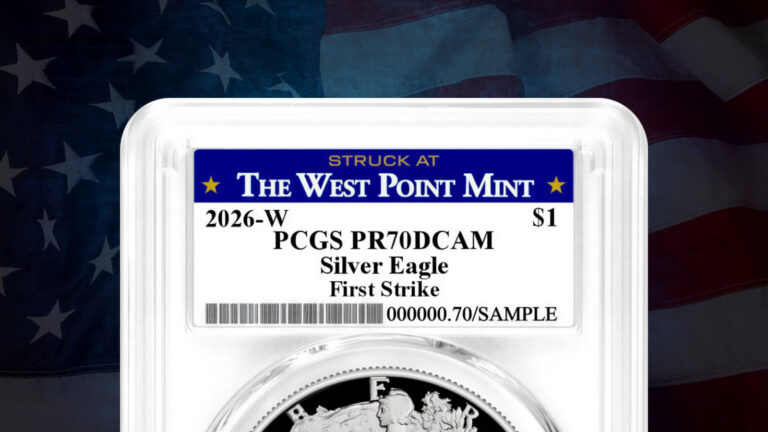
What Is First Strike?
First Strike is PCGS's designation for coins received by PCGS within 30 days of a new issue's release — or shipped in sealed Mint boxes postmarked within that window. It certifies when the coin left the Mint, not when it was struck. The U.S. Mint does not track the order in which it strikes coins and has said so publicly, so no label can prove a coin was literally struck first. NGC's equivalent 30-day designation is Early Releases, or First Releases.
Read More →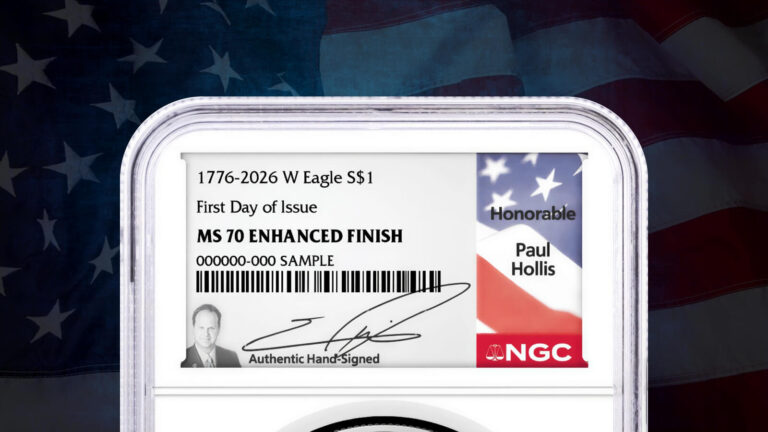
What Is First Day of Issue?
"First Day of Issue" is an NGC designation for a coin bought on the first day a mint puts a new issue on sale — and sent to NGC within a week. It is a pedigree, not a grade: it records the timing of the purchase and the submission, not the quality of the strike. The designation is narrow by design: it is usually available only for bulk submissions or at trade shows, it costs extra, and the submitter must prove the purchase date with receipts.
Read More →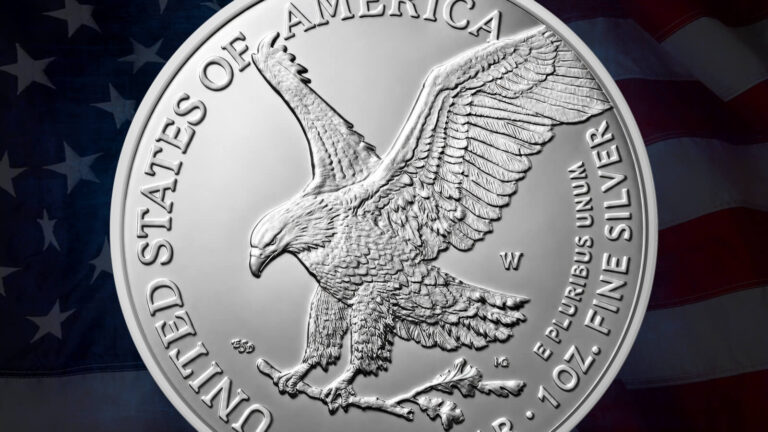
What Is a Type-2 Silver Eagle?
A Type-2 Silver Eagle is an American Silver Eagle struck with the coin's current reverse — Emily Damstra's eagle coming in for a landing with an oak branch, introduced in mid-2021 for the series' 35th anniversary. It replaced John Mercanti's heraldic eagle, which had appeared on the coin since 1986. The obverse is still Weinman's Walking Liberty, refreshed, and the coin still holds one ounce of .999 fine silver.
Read More →