


Since 2011, Coin Advisor has been providing coin collectors value, education and opportunity. On the Money reflects our commitment to educating coin collectors. Our experienced staff as well as outsourced industry professionals, take time discussing current and past coin topics and delivering that insight to our readers, from historical subjects dated back to ancient times all the way into the future, where we discuss upcoming releases and news. After all, an educated collector makes better collecting decisions.
Latest Articles
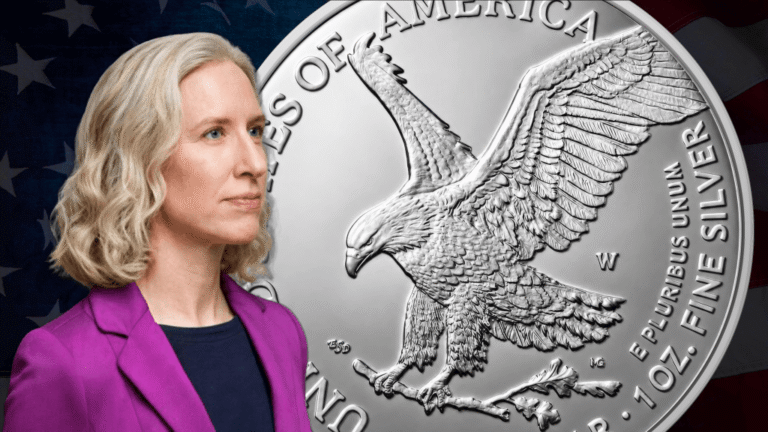
Who Is Emily Damstra?
Emily Damstra is the artist behind the American Silver Eagle's Type 2 reverse — the bald eagle in flight, clutching an oak branch, that has appeared on every Silver Eagle since mid-2021. A trained natural science illustrator and a dual citizen of the United States and Canada, she joined the U.S. Mint's Artistic Infusion Program in 2014 after beginning her coin-design career at the Royal Canadian Mint in 2010. She has designed more than 40 coins and medals for the two mints, and her hand signature appears on PCGS Master Designer labels.
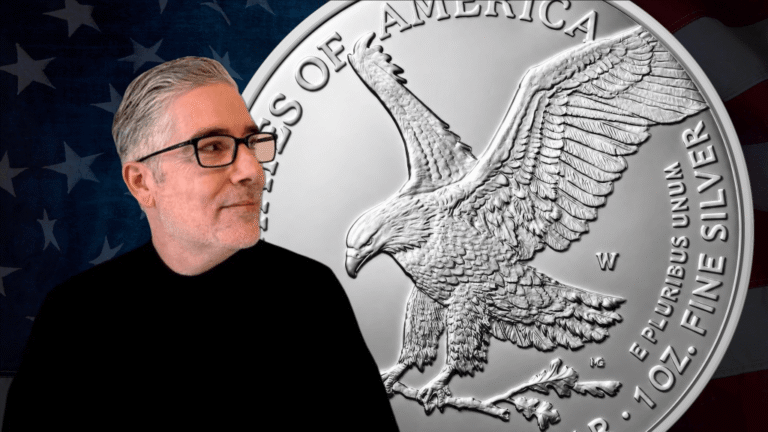
Who Is Michael Gaudioso?
Michael Gaudioso is the former U.S. Mint medallic artist who sculpted the American Silver Eagle's Type 2 reverse — the eagle coming in to land that has appeared on every Silver Eagle since mid-2021. He worked at the Philadelphia Mint from 2008 until his retirement in late 2020, a 13-year career in which he designed and sculpted about 40 coins and medals. His initials, "MG," appear on the Type 2 reverse, and his hand signature appears on NGC U.S. Mint Engraver Series labels.
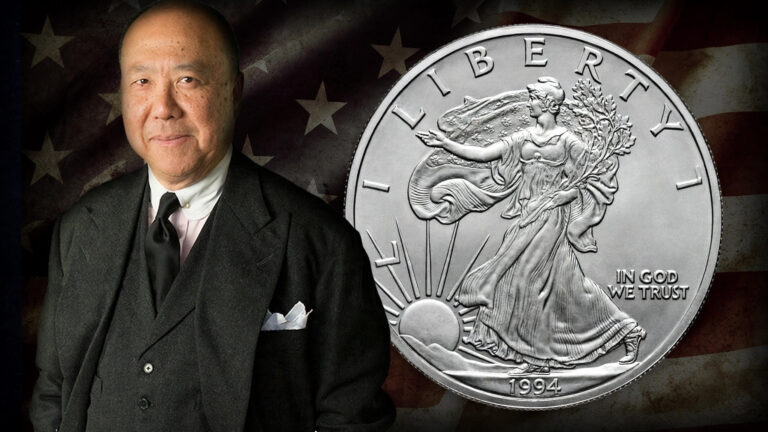
Who Is Edmund C. Moy?
Edmund C. Moy was the 38th Director of the United States Mint, serving from September 2006 to January 2011 — the first Asian American to hold the job. Before the Mint he spent nearly six years at the White House as a Special Assistant to President George W. Bush. His term covered the financial crisis, the end of the 50 State Quarters program, the start of the Presidential $1 coins and the America the Beautiful Quarters, and the 2009 Ultra High Relief double eagle. His hand signature appears on NGC labels on certified coins.
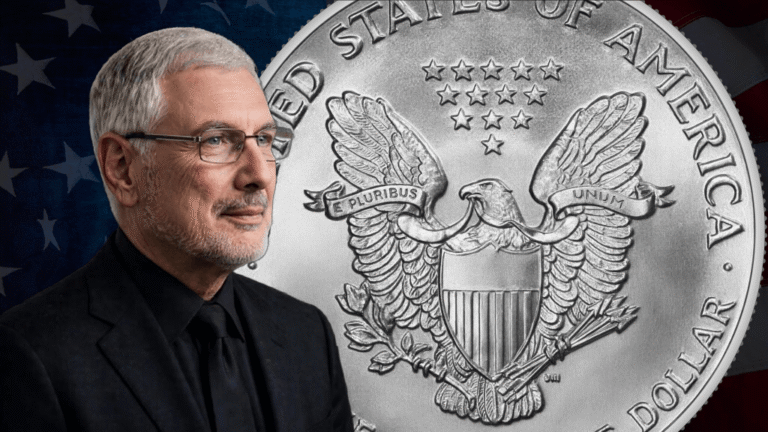
Who Is John Mercanti?
John Mercanti is the sculptor-engraver behind the reverse of the American Silver Eagle as collectors knew it for 35 years. His heraldic eagle — shield, olive branch, arrows, and thirteen stars — appeared on every Silver Eagle from 1986 until the design changed in mid-2021. He joined the U.S. Mint in 1974, became its 12th Chief Engraver, and retired in 2010 with more coin and medal designs to his name than any other Mint staff engraver.
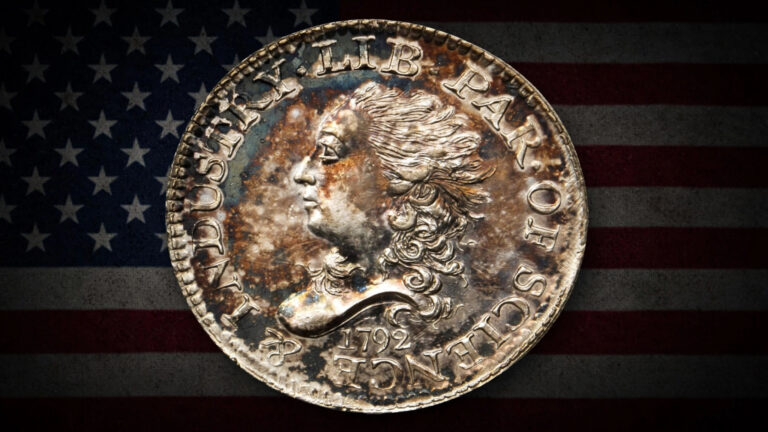
What Was the Coinage Act of 1792?
The Coinage Act of 1792 created American money: it established the dollar as the basic unit, divided into 100 cents; defined the dollar in silver with a 15-to-1 gold-to-silver ratio; created the United States Mint in Philadelphia; and authorized the first denominations, from the dollar down to the half cent. Before it, America had no national currency — only a chaotic mix of foreign coins, state issues, and private tokens.
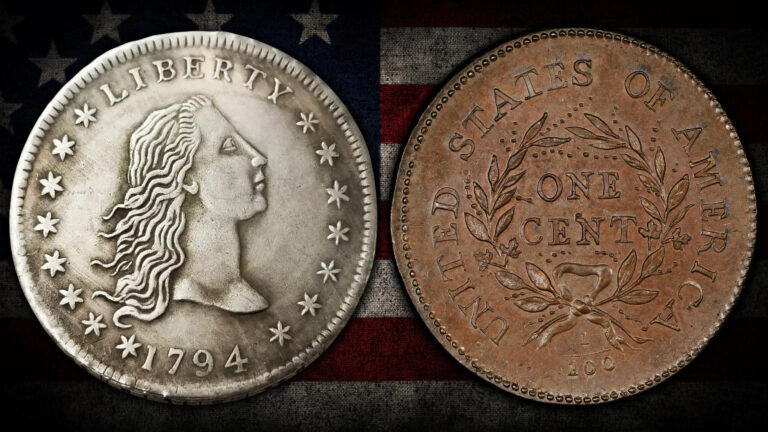
What Were the First U.S. Coins?
The first coins struck for circulation by the United States Mint were the 1793 cents and half cents, carrying the Flowing Hair design: Liberty with long, flowing hair on the obverse, and a chain of fifteen links — one for each state in the Union — on the reverse. The chain proved unpopular, seen by some as a symbol of bondage rather than unity, and was quickly replaced by a wreath. The Chain cent, struck for only a few months, became one of the most famous coins in American numismatics.
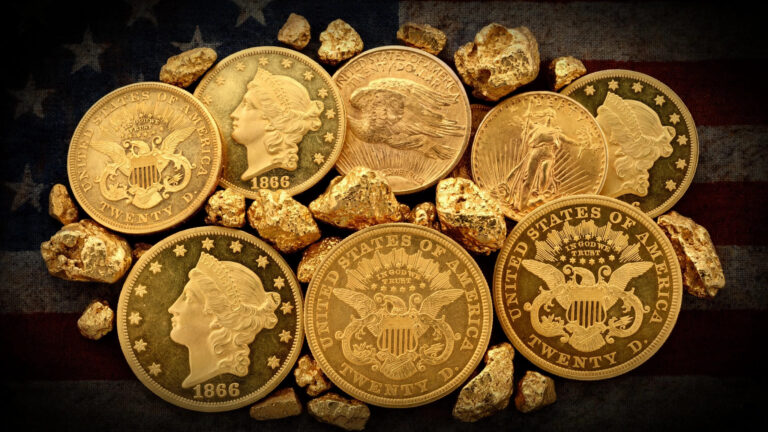
How Did the California Gold Rush Change American Coinage?
The California Gold Rush of 1848 remade American coinage: it overwhelmed the existing mints, forced the creation of the San Francisco Mint (1854) and the New York Assay Office, created two new denominations — the gold dollar (1849) and the double eagle (1850) — and, by flooding the economy with gold, made silver too valuable to use as money, triggering the silver shortage that led to the Coinage Act of 1853.
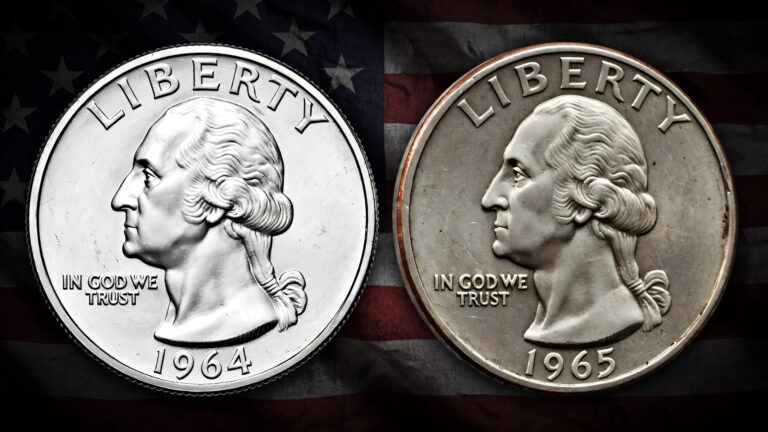
Why Did the U.S. Stop Making Silver Coins?
The U.S. stopped making silver circulating coins because silver became worth more than the coins' face values: by the early 1960s, the metal in a silver dime was worth more than ten cents, so coins were hoarded and melted, and the coin supply contracted into a crisis. The Coinage Act of 1965 resolved it by replacing silver dimes and quarters with copper-nickel clad coins, ending a silver tradition that stretched back to 1792.
Where Did Coin Collecting Begin?
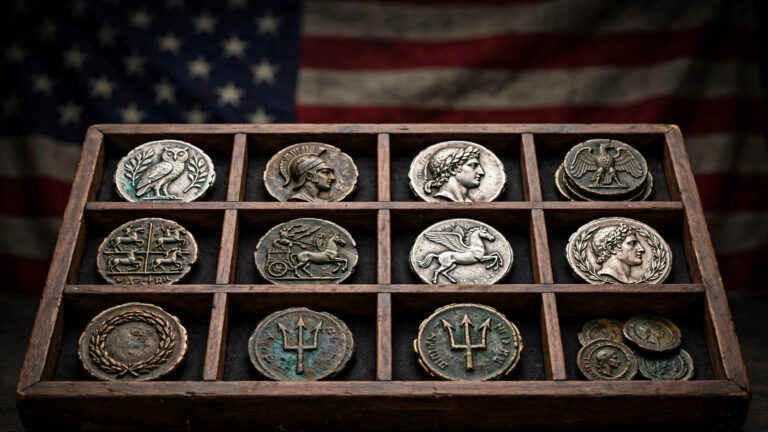
Coin collecting began with ancient coins. The first coins were struck in Lydia, in what is now Turkey, around the 7th century BCE: small lumps of electrum, a natural alloy of gold and silver, stamped with a design — often a lion's head — to certify weight and purity. From Lydia, coinage spread across the Greek world and then the Roman Empire, becoming the trade, propaganda, and art of the ancient world — and the hobby's oldest tradition is still one of its most rewarding.