

Who Is Edmund C. Moy?
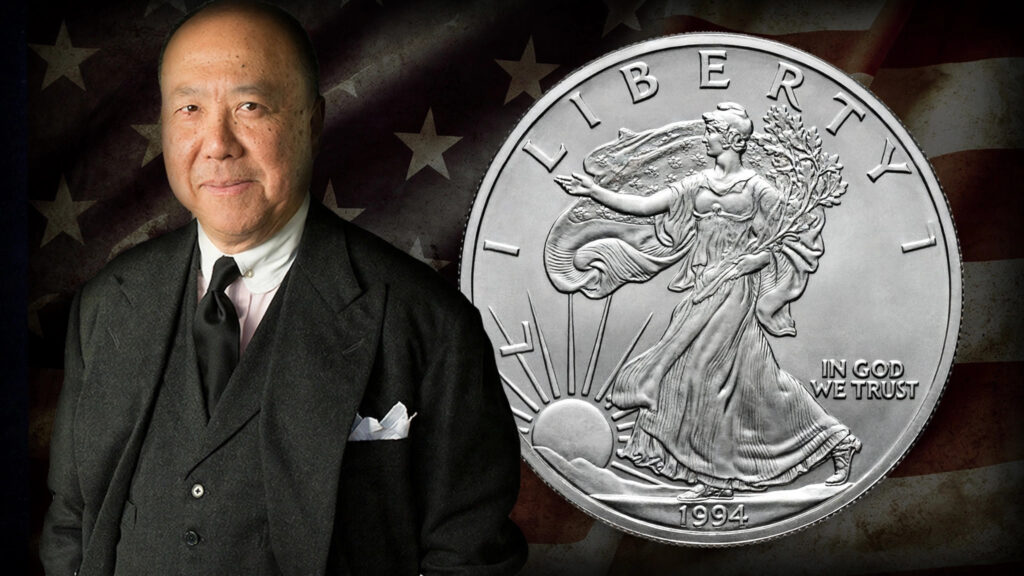
Edmund C. Moy was the 38th Director of the United States Mint, serving from September 2006 to January 2011 — the first Asian American to hold the job. Before the Mint he spent nearly six years at the White House as a Special Assistant to President George W. Bush. His term covered the financial crisis, the end of the 50 State Quarters program, the start of the Presidential $1 coins and the America the Beautiful Quarters, and the 2009 Ultra High Relief double eagle. His hand signature appears on NGC labels on certified coins.
Key Takeaways
- Moy was the 38th Mint Director, sworn in September 5, 2006, and served until January 9, 2011.
- He was the first Asian American and first ethnic minority director of the Mint.
- His term saw record demand for gold and silver bullion during the financial crisis.
- He later signed an exclusive agreement with NGC for Moy signature labels.
How did Moy become Director of the Mint?
Through the White House, not the coin world. Moy was born in Detroit in 1957, raised in Waukesha, Wisconsin, and graduated from the University of Wisconsin–Madison in 1979 with a triple major in economics, international relations, and political science. He is the first child of Chinese immigrant parents who came to the United States from Guangdong province. He worked in health care administration — for Blue Cross Blue Shield of Wisconsin and at the federal Health Care Financing Administration — before joining the George W. Bush administration in 2001 as a Special Assistant to the President for Presidential Personnel, a post he held for almost six years. President Bush nominated him to lead the Mint on June 29, 2006, the Senate confirmed him unanimously, and he was sworn in on September 5, 2006.
What happened at the Mint during Moy's term?
His term coincided with the financial crisis and the recession that followed, which drove unprecedented demand for gold and silver bullion — buyers turned to precious metals, and the Mint's bullion programs were stretched to keep up. On the numismatic side, his term closed the 50 State Quarters program, opened the Presidential $1 Coin program, and began the America the Beautiful Quarters. He also pushed technical changes at the Mint — digital imaging in design, breakaway dies, and testing of metal flow and compression — that led to the 2009 Ultra High Relief double eagle, a modern striking of Saint-Gaudens' design that Moy called a "labor of love."
| Program | What happened during Moy's term |
|---|---|
| 50 State Quarters | Ended |
| Presidential $1 Coins | Began |
| America the Beautiful Quarters | Began |
| 2009 Ultra High Relief double eagle | Struck |
Why does Moy's signature appear on coin labels?
Because he is a former Mint Director whose name collectors recognize, and because he agreed to sign them. In 2015 Moy signed an exclusive contract with NGC for Moy signature labels on certified coins. A Moy signature is a director's signature, not a designer's: he did not design the coins his labels appear on. What the signature records is his tenure at the head of the Mint — the person who ran the institution that struck the coin. Collectors who follow Mint leadership and the programs of his term are the audience for these labels.
What did Moy do after leaving the Mint?
He moved into the private sector and into writing and commentary on precious metals. He is the author of "American Gold and Platinum Eagles," a Whitman reference book on the two series, and he has worked as a strategist and commentator on gold, currency, and monetary policy. He later became Senior IRA Strategist for U.S. Money Reserve, where he writes and speaks on precious metals and monetary policy. He is also a lifelong coin collector — a point he has made often in interviews about his time at the Mint.
FAQ
When was Edmund Moy the Mint Director? From September 5, 2006, to January 9, 2011, as the 38th Director.
Was Moy the first Asian American Mint Director? Yes — he was the first Asian American and first ethnic minority director of the Mint.
Did Moy design any coins? No. He was an administrator, not an engraver; his signature is a director's signature.
What is the 2009 Ultra High Relief coin? A modern striking of Saint-Gaudens' double eagle design, produced during Moy's term after technical work he championed.
Shop American Gold Eagles at Coin Advisor or call (877) 540-2646.
This article was researched and drafted with AI assistance and reviewed and approved by [Author], [Role] at Coin Advisor, before publication.
Shop NGC and PCGS certified coins at Coin Advisor
Shop Coins →Related Reading
Who Was David Rittenhouse, America’s First Mint Director?
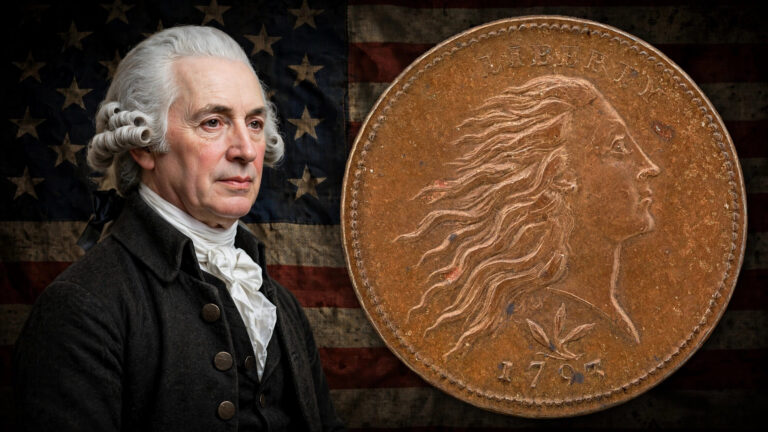
David Rittenhouse was the first Director of the United States Mint, appointed by President George Washington in April 1792 and serving until June 1795. A leading astronomer, instrument maker and scientist, he built the Mint from nothing — hiring its officers, overseeing its first buildings in Philadelphia and launching copper coinage in 1793 and silver coinage in 1794. His tenure is also remembered for a controversial decision to strike the first silver coins finer than the law allowed.
Read More →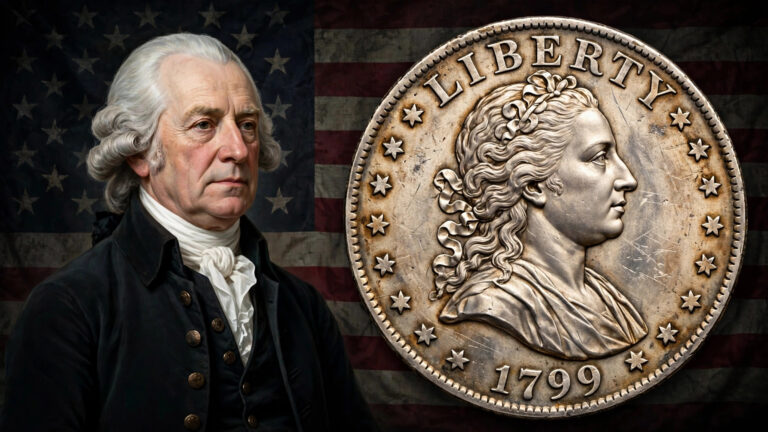
Who Was Elias Boudinot, the Director Who Steadied the Young Mint?
Elias Boudinot was the third Director of the United States Mint, serving from October 1795 to July 1805. A former president of the Continental Congress and a respected New Jersey statesman, he restored the legal silver standard on taking office, kept the chronically underfunded Mint operating — at times depositing his own bullion to keep workers employed — and halted production of silver dollars and gold eagles in 1804 because the large coins were being exported and melted rather than circulating at home.
Read More →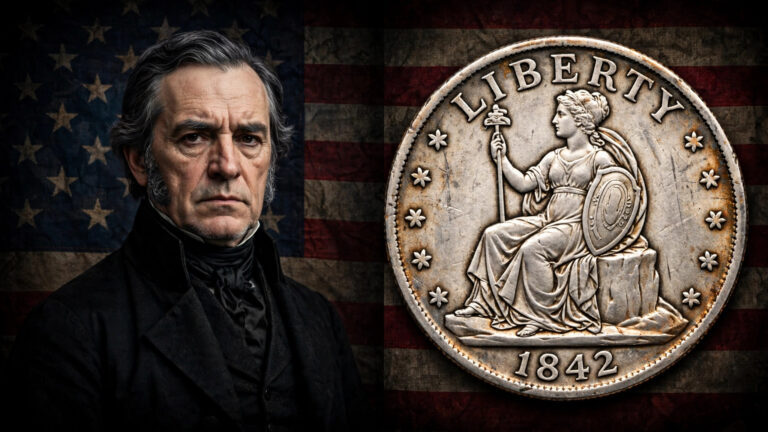
Who Was Robert Patterson, the Director Behind Seated Liberty?
Robert Maskell Patterson was Director of the United States Mint from 1835 to 1851 — the son of an earlier director also named Robert Patterson. Appointed by President Andrew Jackson, he drove the creation of Christian Gobrecht's Seated Liberty design, which spread across America's silver coinage beginning with the Gobrecht dollars of 1836 and the dime and half dime of 1837 and endured, in places, until 1891. He also resisted the gold dollar and double eagle authorized in 1849, and lost that fight to Congress.
Read More →