


Who Is Ventris Gibson?
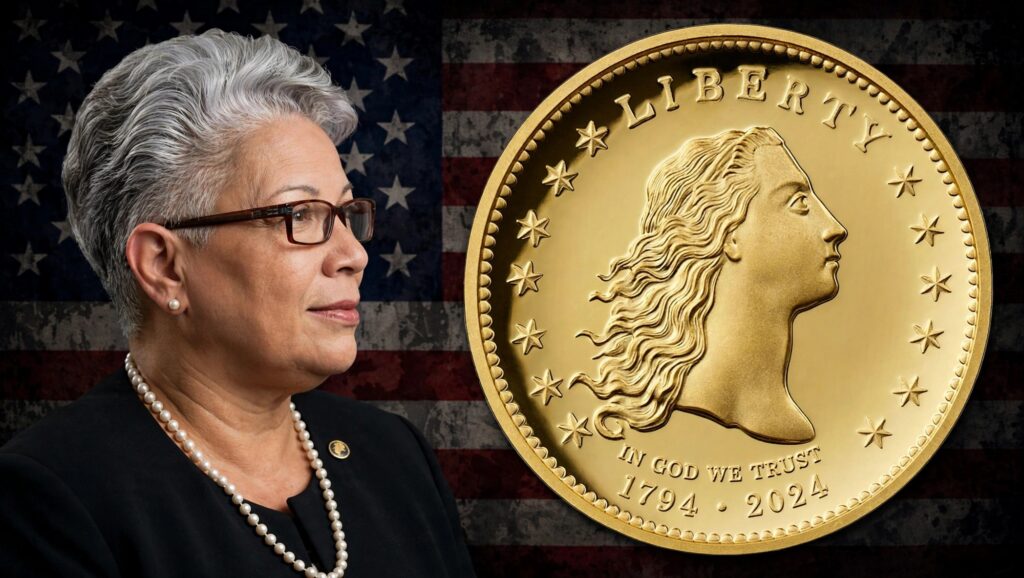
Ventris Gibson is the former Director of the United States Mint, the first African American and the seventh woman to lead the bureau. She served as the 40th Director from June 2022 to March 2025, after joining the Mint as Deputy Director in October 2021. Collectors know Gibson as the director who championed the American Women Quarters Program and the Harriet Tubman commemorative coins — and her signature appears on NGC labels for the 2024 Flowing Hair gold proof.
Key Takeaways
- Gibson served as the 40th Director of the U.S. Mint from June 2022 to March 2025.
- She was the first African American and the seventh woman to lead the Mint.
- A U.S. Navy veteran, she came to the Mint from senior federal roles in human resources.
- Her signature appears on NGC labels for the 2024 Flowing Hair gold proof.
How did Gibson come to lead the Mint?
Gibson spent decades in senior federal service before joining the Mint. A U.S. Navy veteran, she served as the District of Columbia's Chief Human Capital Officer, overseeing workforce strategy for more than 37,000 employees, and held senior human-resources roles at the Departments of Health and Human Services and Veterans Affairs and at the Federal Aviation Administration. The Treasury appointed her Deputy Director of the Mint in October 2021, and she served as Acting Director before President Biden nominated her to lead the bureau. The Senate confirmed her by voice vote in June 2022, and she served as the 40th Director until her retirement on March 31, 2025, receiving the Treasury Medal on her departure.
What does the Director of the Mint actually do?
The Director is the Mint's chief officer, a presidential appointee who must be confirmed by the Senate. Gibson led thousands of employees and contractors across six national facilities, including the Fort Knox Bullion Depository, and oversaw the production and distribution of billions of circulating coins each year. Her tenure included modernizing operations across manufacturing, cybersecurity, and supply-chain governance. The Director does not design coins: artists and engravers do that. The Director sets the product portfolio, carries public input and advisory recommendations to the Secretary of the Treasury, and runs the bureau that turns approved designs into coins.
Which coin programs did Gibson champion?
Two programs define Gibson's tenure for collectors.
| American Women Quarters | Harriet Tubman Commemorative | |
|---|---|---|
| Type | Circulating quarters | Commemorative coins |
| Years | 2022–2025 | 2024 |
| Subject | Women from American history | Harriet Tubman |
Gibson championed the American Women Quarters Program, which honored women from American history on circulating quarters through her tenure, and the Harriet Tubman Commemorative Coin Program. She also opened the Mint's 2026 coin-redesign process to the public, with a survey that drew more than 51,000 responses on themes and historic designs. In July 2026, after leaving the Mint, she became Executive Director of the Harriet Tubman Home in Auburn, New York — the nonprofit that manages Tubman's homestead — a role that connects her Mint work on the Tubman coins to the place Tubman lived.
Where does Gibson's signature appear?
Her signature appears on NGC labels for the 2024-W Flowing Hair gold proof, certified PF70 with a First Day of Issue designation. The label carries Gibson's hand-written signature, identifying her as the Mint's director at the time the coin was issued. The distinction matters: Gibson did not design the coin — the Flowing Hair design dates to the Mint's first silver dollar in 1794 — and her signature on the label records her role leading the bureau, not authorship of the art. That is the difference between a director's signed label and a designer's signed label, and it is worth knowing when reading any label.
FAQ
Was Gibson the first Black Director of the Mint? Yes. Gibson was the first African American to lead the Mint, and the seventh woman to hold the post.
When did Gibson lead the Mint? She served as the 40th Director from June 22, 2022, to March 31, 2025, after serving as Deputy Director from October 2021.
Did Gibson design any coins? No. Gibson led the bureau that makes coins; artists and engravers design them. Her signature on labels records her role as director.
Who succeeded Gibson as Director? Kristie McNally served as Acting Director after Gibson retired, and Paul Hollis became the 41st Director on January 5, 2026.
Shop American Eagles at Coin Advisor or call (877) 540-2646.
This article was researched and drafted with AI assistance and reviewed and approved by Julian Goldenthal, COO at Coin Advisor, before publication.
Shop NGC and PCGS certified coins at Coin Advisor
Shop Coins →Related Reading
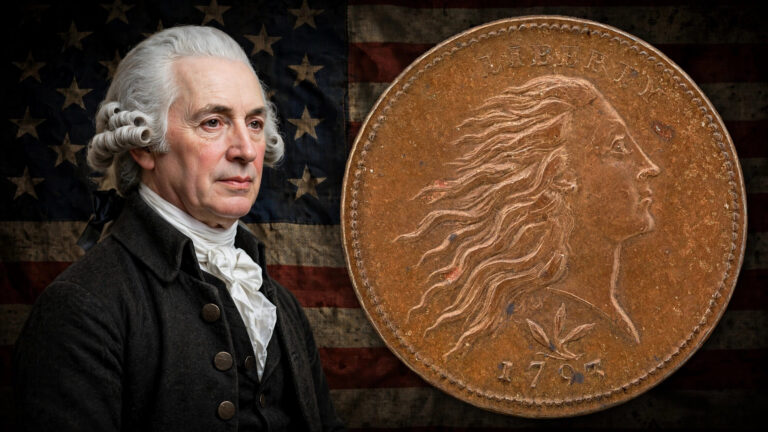
Who Was David Rittenhouse, America’s First Mint Director?
David Rittenhouse was the first Director of the United States Mint, appointed by President George Washington in April 1792 and serving until June 1795. A leading astronomer, instrument maker and scientist, he built the Mint from nothing — hiring its officers, overseeing its first buildings in Philadelphia and launching copper coinage in 1793 and silver coinage in 1794. His tenure is also remembered for a controversial decision to strike the first silver coins finer than the law allowed.
Read More →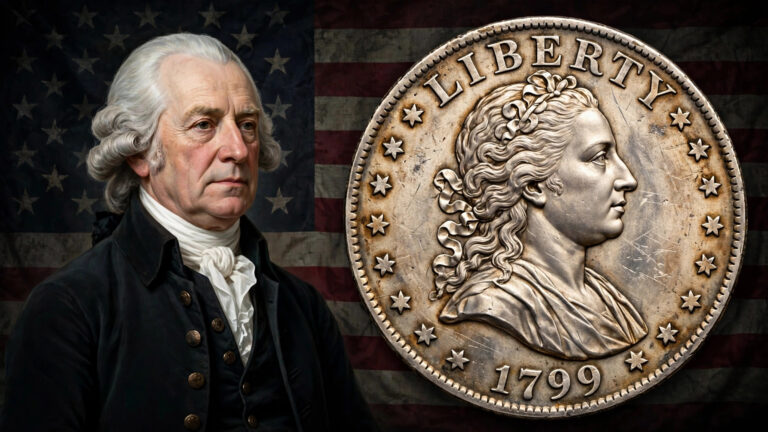
Who Was Elias Boudinot, the Director Who Steadied the Young Mint?
Elias Boudinot was the third Director of the United States Mint, serving from October 1795 to July 1805. A former president of the Continental Congress and a respected New Jersey statesman, he restored the legal silver standard on taking office, kept the chronically underfunded Mint operating — at times depositing his own bullion to keep workers employed — and halted production of silver dollars and gold eagles in 1804 because the large coins were being exported and melted rather than circulating at home.
Read More →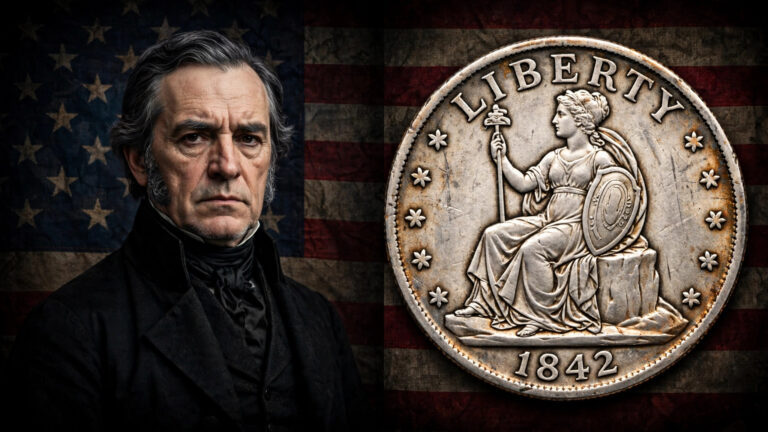
Who Was Robert Patterson, the Director Behind Seated Liberty?
Robert Maskell Patterson was Director of the United States Mint from 1835 to 1851 — the son of an earlier director also named Robert Patterson. Appointed by President Andrew Jackson, he drove the creation of Christian Gobrecht's Seated Liberty design, which spread across America's silver coinage beginning with the Gobrecht dollars of 1836 and the dime and half dime of 1837 and endured, in places, until 1891. He also resisted the gold dollar and double eagle authorized in 1849, and lost that fight to Congress.
Read More →