

Who Is David Ryder?
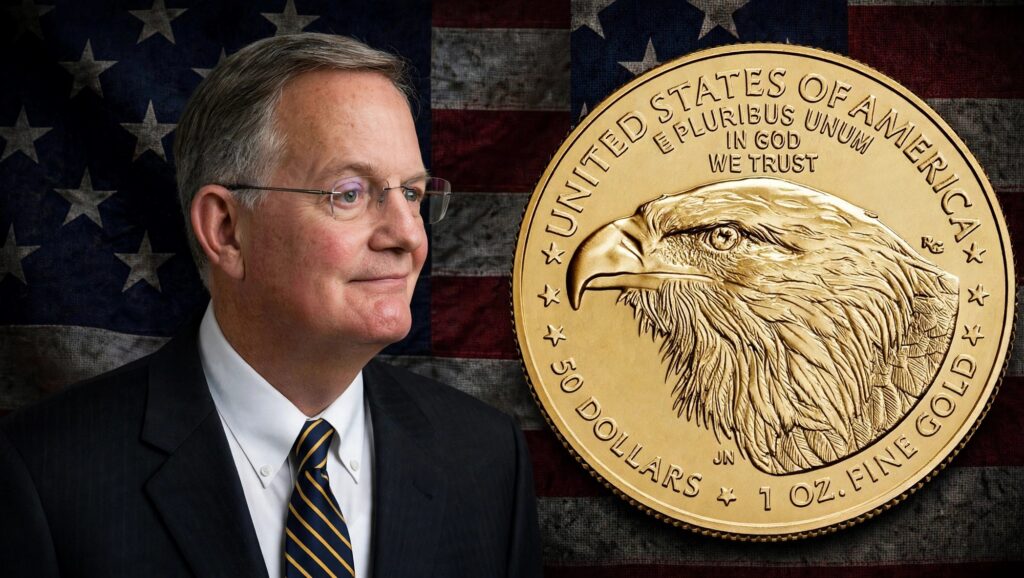
David Ryder is the only person to serve twice as Director of the United States Mint — as its 34th Director in 1992–1993 and its 39th Director from 2018 to 2021. Between the two terms he worked in anti-counterfeiting technology, and in his second term he set in motion the 2021 redesigns of the American Eagle gold and silver coins. His hand signature appears on certified coin labels, sometimes alongside the signature of the designer whose work he championed.
Key Takeaways
- Ryder served as Mint Director twice: 1992–1993 (34th) and 2018–2021 (39th).
- He was born in Billings, Montana, in 1955 and attended Boise State University.
- Before his second term he worked in anti-counterfeiting technology at Honeywell.
- He initiated the 2021 American Eagle redesigns, including the new Gold and Silver Eagle reverses.
How did Ryder become Mint Director twice?
The first time by recess appointment, the second by Senate confirmation. He was born in Billings, Montana, in 1955 and raised in Boise, Idaho. President George H.W. Bush nominated him in 1991; he served as acting director from July 1992 and as director under a recess appointment from September 1992 until November 1993, when Congress adjourned without confirming him. He had earlier served as Deputy Treasurer of the United States and as Deputy Chief of Staff to Vice President Dan Quayle. More than two decades later, President Donald Trump nominated him again in 2017, the Senate confirmed him by voice vote on March 21, 2018, and he was sworn in as the 39th Director on April 12, 2018. He resigned effective October 1, 2021.
What did Ryder do in his second term?
He pushed the Mint toward new designs and new defenses against fakes. The 2021 American Eagle redesigns — Emily Damstra's Silver Eagle reverse and Jennie Norris's Gold Eagle reverse — were undertaken at his initiative, refreshing both series for their 35th anniversary. He also brought his private-sector background to the Mint's anti-counterfeiting work, meeting with the Industry Council for Tangible Assets' Anti-Counterfeiting Task Force and hosting a panel on the subject at the Mint's numismatic forum in October 2018. As director he led an organization of almost 1,700 people across six facilities, from the Mint's headquarters in Washington to the production mints at Philadelphia, Denver, San Francisco, and West Point, and the Bullion Depository at Fort Knox. He was named one of Coin World's most influential people in numismatics for 1960–2020.
What did Ryder do between his two terms?
He worked in technology, mostly in anti-counterfeiting. He was CEO of Secure Products Corporation, which Honeywell acquired in 2007, and then Global Business Development Manager and Managing Director of Currency for Honeywell Authentication Technologies. That background — building technology that makes products hard to copy — shaped the priorities he brought back to the Mint in 2018.
Why is Ryder's signature on coin labels?
Because he is the director who set the 2021 redesigns in motion, and because dealers and grading services pair his signature with the designers'. His signature appears on labels for Type 2 American Eagles, including dual-signed labels that pair him with Jennie Norris, the designer of the Type 2 Gold Eagle reverse. The first monster box of Type 2 Gold Eagles — serial number 550001 — was set aside at the Mint by Ryder himself for future promotions. Ryder was honored with a Mint medal in 1993, part of the series struck for former directors. A Ryder signature is a director's signature: it records leadership of the Mint at the moment the coin was made, not authorship of its design.
| First term | Second term | |
|---|---|---|
| Director number | 34th | 39th |
| Dates | Sept 1992 – Nov 1993 | Apr 2018 – Oct 2021 |
| How he got the job | Recess appointment | Senate confirmation |
| Presidents | George H.W. Bush | Donald Trump, Joe Biden |
FAQ
How many times was David Ryder the Mint Director? Twice — 34th Director in 1992–1993 and 39th Director from 2018 to 2021.
What did Ryder do before the Mint? He worked in anti-counterfeiting technology, including as CEO of Secure Products Corporation and at Honeywell.
Did Ryder design any coins? No. He was the director who initiated the 2021 Eagle redesigns; Damstra and Norris designed the new reverses.
Why do some labels carry two signatures? Dual-signed labels pair Ryder's signature with a designer's — for example, Jennie Norris on Type 2 Gold Eagles.
Shop American Gold and Silver Eagles at Coin Advisor or call (877) 540-2646.
This article was researched and drafted with AI assistance and reviewed and approved by Chris Clifton, Founder & CEO at Coin Advisor, before publication.
Shop NGC and PCGS certified coins at Coin Advisor
Shop Coins →Related Reading
Who Was David Rittenhouse, America’s First Mint Director?
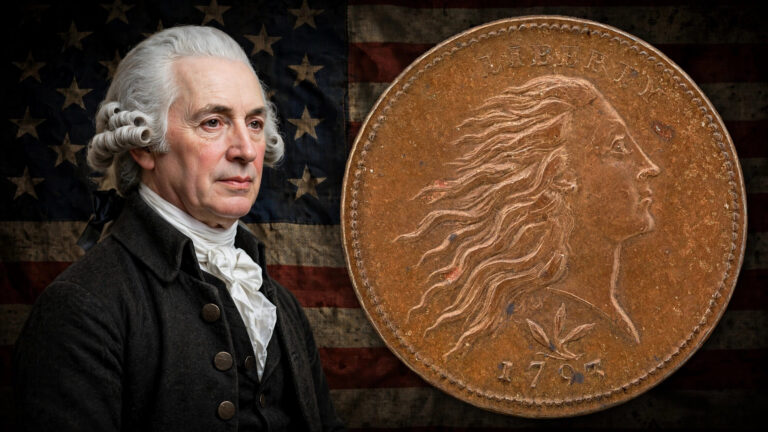
David Rittenhouse was the first Director of the United States Mint, appointed by President George Washington in April 1792 and serving until June 1795. A leading astronomer, instrument maker and scientist, he built the Mint from nothing — hiring its officers, overseeing its first buildings in Philadelphia and launching copper coinage in 1793 and silver coinage in 1794. His tenure is also remembered for a controversial decision to strike the first silver coins finer than the law allowed.
Read More →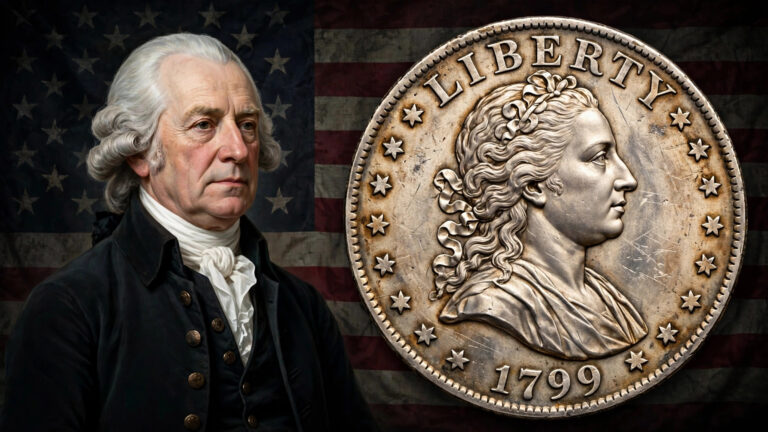
Who Was Elias Boudinot, the Director Who Steadied the Young Mint?
Elias Boudinot was the third Director of the United States Mint, serving from October 1795 to July 1805. A former president of the Continental Congress and a respected New Jersey statesman, he restored the legal silver standard on taking office, kept the chronically underfunded Mint operating — at times depositing his own bullion to keep workers employed — and halted production of silver dollars and gold eagles in 1804 because the large coins were being exported and melted rather than circulating at home.
Read More →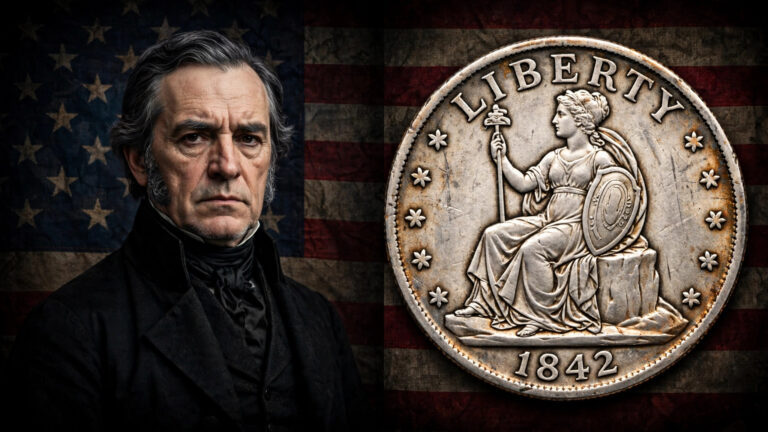
Who Was Robert Patterson, the Director Behind Seated Liberty?
Robert Maskell Patterson was Director of the United States Mint from 1835 to 1851 — the son of an earlier director also named Robert Patterson. Appointed by President Andrew Jackson, he drove the creation of Christian Gobrecht's Seated Liberty design, which spread across America's silver coinage beginning with the Gobrecht dollars of 1836 and the dime and half dime of 1837 and endured, in places, until 1891. He also resisted the gold dollar and double eagle authorized in 1849, and lost that fight to Congress.
Read More →