

Who Is Beth Zaiken?
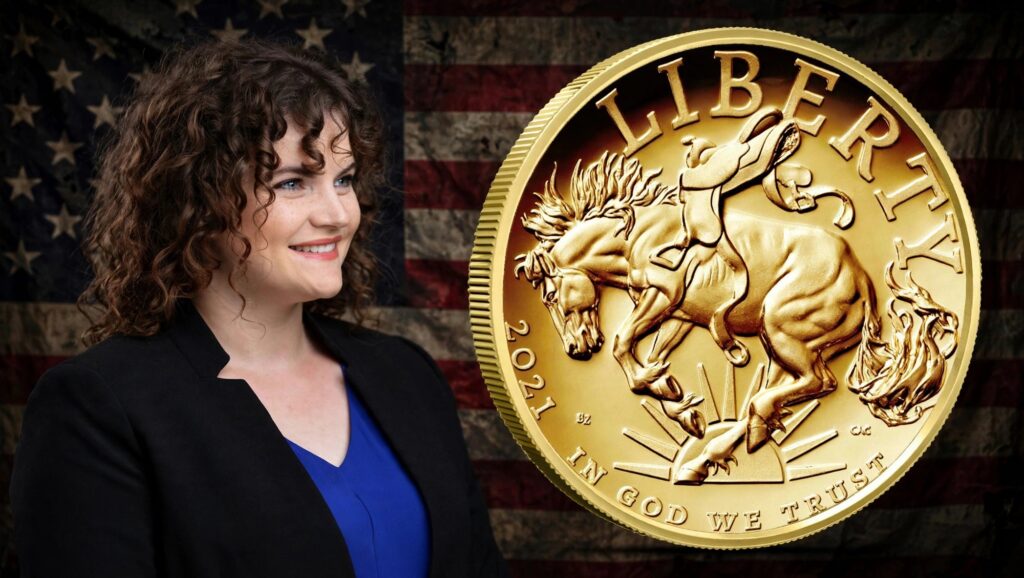
Beth Zaiken is a Minnesota artist and a designer in the U.S. Mint's Artistic Infusion Program (AIP) since 2019, known for coin designs that bring natural history to life at coin scale. Her best-known work is the 2021 American Liberty High Relief gold coin, whose bucking Mustang — Liberty as a wild horse throwing off a saddle — won Best Gold Coin at the Coin of the Year Awards. Her signature appears on NGC labels for the 2026 Great Britain Lion & Eagle and the 2022 American Liberty Silver Medal.
Key Takeaways
- U.S. Mint Artistic Infusion Program designer since 2019; background in natural science illustration, museum murals, and paleontology art.
- Designed the 2021 American Liberty "Bucking Bronco" obverse, sculpted by Craig Campbell.
- Also designed the 2024 Harriet Tubman Silver Dollar, the 2024 Greatest Generation Silver Dollar, and the 2026 Minnesota American Innovation dollar.
- Her initials "BZ" appear on the 2026 Lion & Eagle design; her signed labels appear on NGC-certified coins.
What is the Artistic Infusion Program, and how did Zaiken join it?
The Artistic Infusion Program, established by the U.S. Mint in 2003, brings outside artists from many backgrounds into the minting process. Zaiken joined in 2019, after a career in painting, illustration, and murals — her work appears in the Royal Alberta Museum, the Field Museum in Chicago, the Royal Saskatchewan Museum, and the Minnesota Zoo, among others, and she specializes in natural science communication and paleontological recreations. She has said she treats every coin design like a miniature exhibit. The program works by pairing: the AIP designer creates the artwork, and a Mint medallic artist sculpts it and cuts the dies. Knowing which name did which job is the key to reading a modern coin's credits.
Which coins carry her designs?
A long list, from 2020 onward. Her first major Mint work was the 2020 Women's Suffrage Centennial Silver Medal, followed by the 2021 American Liberty High Relief gold coin — the "Bucking Bronco," Liberty as a wild Mustang throwing off a western saddle, evoking the throwing off of British rule. In 2024 she designed both sides of the Harriet Tubman Silver Dollar, the Greatest Generation Silver Dollar, and the Rosie the Riveter Congressional Gold Medal, plus the American Innovation dollars for Illinois (the first steel plow) and the Patsy Takemoto Mink American Women quarter. In 2026 her work includes the Minnesota American Innovation dollar (mobile refrigeration), the FIFA World Cup commemorative coins, the Enduring Liberty half dollar reverse, and the Gettysburg Address quarter. That same year she became the second American artist, after John Mercanti, to design for The Royal Mint's Lion & Eagle series, marking the 250th anniversary of the United States.
How do you spot a Zaiken design or signed label?
Look for the initials and check the credits. Her "BZ" initials appear on the 2026 Lion & Eagle design, just to the left of the bald eagle. On any coin's credits, her name marks the designer — the person who created the artwork — while the sculptor's name marks the Mint medallic artist who modeled it. Her hand-signed labels appear on the 2026 Great Britain Lion & Eagle (NGC PF70) and on the 2022 American Liberty Silver Medal. As with any signed label, confirm the wording on the label itself before judging the coin.
| Designer (Artistic Infusion Program) | Sculptor (Medallic Artist) | |
|---|---|---|
| Who | An outside artist, e.g. Beth Zaiken | A Mint staff sculptor-engraver, e.g. Craig Campbell |
| What they do | Create the artwork and concept | Model the design and cut the dies |
| On the coin | Named in the design credit | Named in the sculpt credit |
FAQ
Did Beth Zaiken engrave the coins she designed? No — she designs the artwork; U.S. Mint medallic artists sculpt and engrave it.
What is the Bucking Bronco? Her 2021 American Liberty obverse: Liberty as a wild Mustang bucking off a saddle, evoking the throwing off of British rule during the American Revolution.
Why is her Lion & Eagle design notable? She is the second American artist to design for The Royal Mint's Lion & Eagle series, after John Mercanti, for the 250th anniversary of the United States.
Where can I see her signature? On NGC labels for the 2026 Great Britain Lion & Eagle and the 2022 American Liberty Silver Medal.
Shop Beth Zaiken signed coins at Coin Advisor or call (877) 540-2646.
This article was researched and drafted with AI assistance and reviewed and approved by [Author], [Role] at Coin Advisor, before publication.
Shop NGC and PCGS certified coins at Coin Advisor
Shop Coins →Related Reading
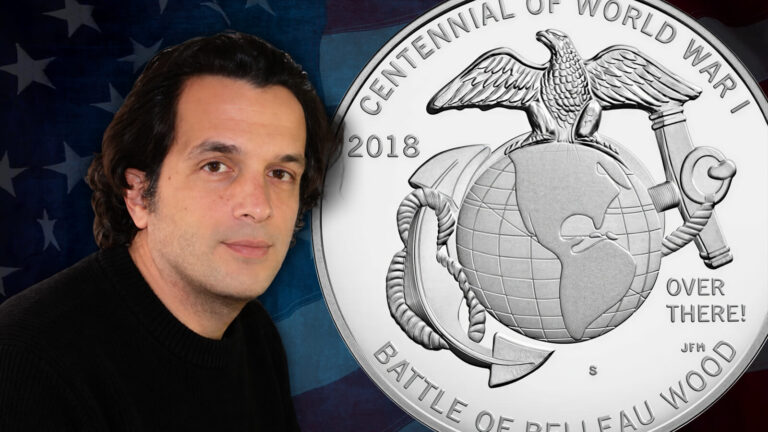
Who Is Joseph Menna, the Mint’s First Digital Sculptor?
Joseph Menna is the thirteenth Chief Engraver of the United States Mint, appointed on February 4, 2019 — the appointment that ended the title's second long vacancy. A classically trained sculptor who made his name sculpting action figures and statues for DC Comics, Hasbro and Fisher-Price, Menna joined the Mint in 2005 as its first full-time digitally skilled artist and changed how American coins are made: modelled on a screen, in software like ZBrush, rather than in plaster.
Read More →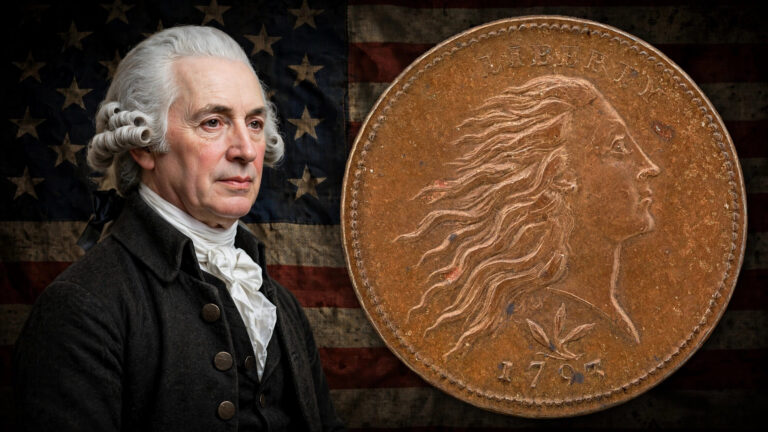
Who Was David Rittenhouse, America’s First Mint Director?
David Rittenhouse was the first Director of the United States Mint, appointed by President George Washington in April 1792 and serving until June 1795. A leading astronomer, instrument maker and scientist, he built the Mint from nothing — hiring its officers, overseeing its first buildings in Philadelphia and launching copper coinage in 1793 and silver coinage in 1794. His tenure is also remembered for a controversial decision to strike the first silver coins finer than the law allowed.
Read More →
Who Was Elias Boudinot, the Director Who Steadied the Young Mint?
Elias Boudinot was the third Director of the United States Mint, serving from October 1795 to July 1805. A former president of the Continental Congress and a respected New Jersey statesman, he restored the legal silver standard on taking office, kept the chronically underfunded Mint operating — at times depositing his own bullion to keep workers employed — and halted production of silver dollars and gold eagles in 1804 because the large coins were being exported and melted rather than circulating at home.
Read More →