


What Is Last Day of Production?
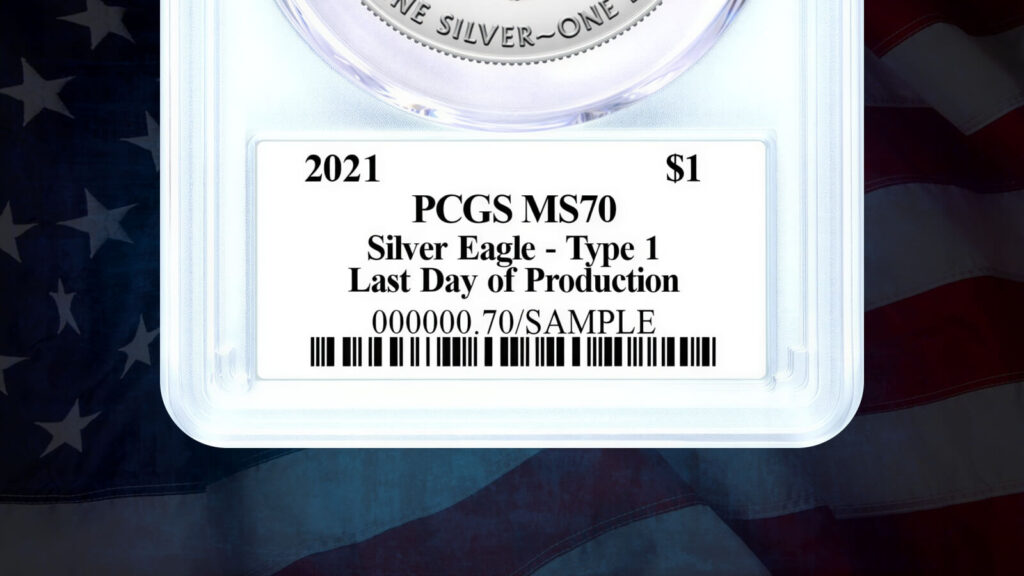
Last Day of Production is an NGC designation for coins struck on the final day a mint produces a particular coin — the last day of a production run. To earn it, the coins must reach NGC or an NGC-approved depository with mint documentation confirming they were struck on that last day. It is available only for bulk submissions, by advance request, at a higher fee — and not for submissions received in Mainland China. Like First Day of Production, it records when a coin was made, not how it was graded.
Key Takeaways
- It marks coins struck on the last day of a production run — the mirror image of First Day of Production.
- Mint documentation must confirm the strike date; the designation is never granted on a submitter's word alone.
- Available only for bulk submissions, by advance request, at a higher fee — and not for submissions received in Mainland China.
- It is a pedigree, not a grade: a Last Day of Production MS 70 is the same grade as any other MS 70 of the same issue.
What does Last Day of Production mean on a label?
It means the coin was struck on the final day the mint produced that coin. A production run has a beginning and an end, and NGC marks both: First Day of Production for the first day, Last Day of Production for the last. The designation says nothing about the coin's condition or design — it is a pedigree, a note about when the coin was made. On the holder it appears alongside the grade — a coin might read MS 70 with a Last Day of Production designation. The grade describes the coin's condition; the designation describes its place in the run.
How is it different from First Day of Production?
The two designations are mirror images. First Day of Production marks coins struck on the first day the mint begins producing a coin; Last Day of Production marks coins struck on production's last day. Both require the same proof — mint documentation confirming the strike date — and both are available only for bulk submissions, by advance request, at a higher fee. The difference is which end of the run the coin comes from. Neither means the coin was the very first or last struck: each marks a day, not a single coin, and many coins are struck on the first and last days of a run.
| First Day of Production | Last Day of Production | |
|---|---|---|
| What it marks | Coins struck on the first day the mint begins production | Coins struck on the day the mint ends production |
| Proof required | Mint documentation confirming the first-day strike | Mint documentation confirming the last-day strike |
| Availability | Bulk only, advance request, higher fee | Bulk only, advance request, higher fee; not for submissions received in Mainland China |
| Effect on grade | None — a pedigree, not a grade | None — a pedigree, not a grade |
What proof does NGC require?
Mint documentation, full stop. The coins must be accompanied by mint documentation confirming they were struck on the last day of that coin's production, and must reach NGC or an NGC-approved depository with it. NGC does not grant the designation on a submitter's word, a dealer's claim, or a date on a box. It is available only to submitters of bulk quantities of qualifying coins, by advance request, at a higher fee — and not for any submissions received in Mainland China. In practice the designation is arranged in advance, in quantity, with the mint's paperwork in hand — not requested one coin at a time after the fact.
Does it make the coin rarer?
No — and that is the point most often misunderstood. The designation does not change the mintage, the grade, or the number of coins struck on that day. A last-day coin is one of many struck that day, just as a first-day coin is one of many struck on the first. What it does is document provenance: it proves, with the mint's own paperwork, that this coin comes from the end of the run. Collectors who pursue these pedigrees usually collect them as a pair, bookending a production run — the appeal is the story and the documentation, not a claim of scarcity.
FAQ
Is Last Day of Production the same as the last coin struck? No. It means the coin was struck on the last day of production — one of many struck that day, not the single final coin off the presses.
How is it different from First Day of Issue? First Day of Issue is about the sale date: coins purchased within one day of the first day of sale. Last Day of Production is about the strike date: coins struck on the last day of production.
Can any coin get the designation? No. It is offered only for select coins, only for bulk submissions, only by advance request, at a higher fee, and only with mint documentation confirming the strike date.
Does it change the grade? No. It is a pedigree, not a grade — a Last Day of Production MS 70 is the same grade as any other MS 70.
Shop certified coins at Coin Advisor or call (877) 540-2646.
This article was researched and drafted with AI assistance and reviewed and approved by Chris Clifton, Founder & CEO at Coin Advisor, before publication.
Shop NGC and PCGS certified coins at Coin Advisor
Shop Coins →Related Reading
What Is First Strike?
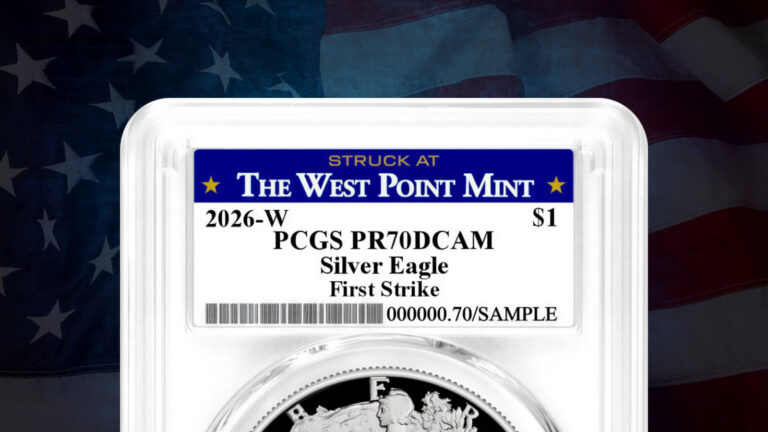
First Strike is PCGS's designation for coins received by PCGS within 30 days of a new issue's release — or shipped in sealed Mint boxes postmarked within that window. It certifies when the coin left the Mint, not when it was struck. The U.S. Mint does not track the order in which it strikes coins and has said so publicly, so no label can prove a coin was literally struck first. NGC's equivalent 30-day designation is Early Releases, or First Releases.
Read More →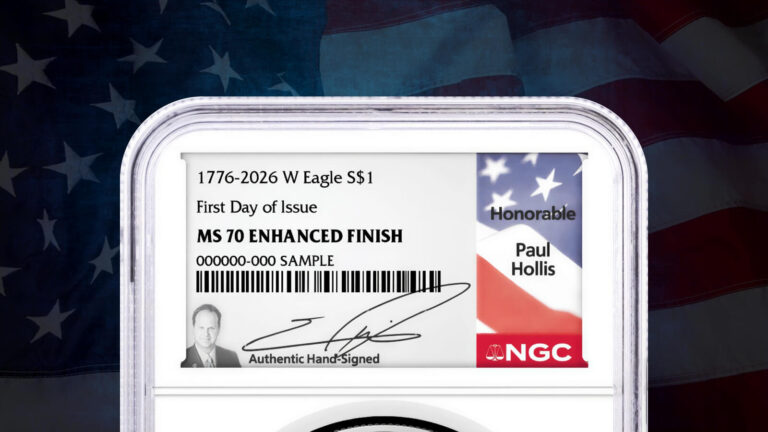
What Is First Day of Issue?
"First Day of Issue" is an NGC designation for a coin bought on the first day a mint puts a new issue on sale — and sent to NGC within a week. It is a pedigree, not a grade: it records the timing of the purchase and the submission, not the quality of the strike. The designation is narrow by design: it is usually available only for bulk submissions or at trade shows, it costs extra, and the submitter must prove the purchase date with receipts.
Read More →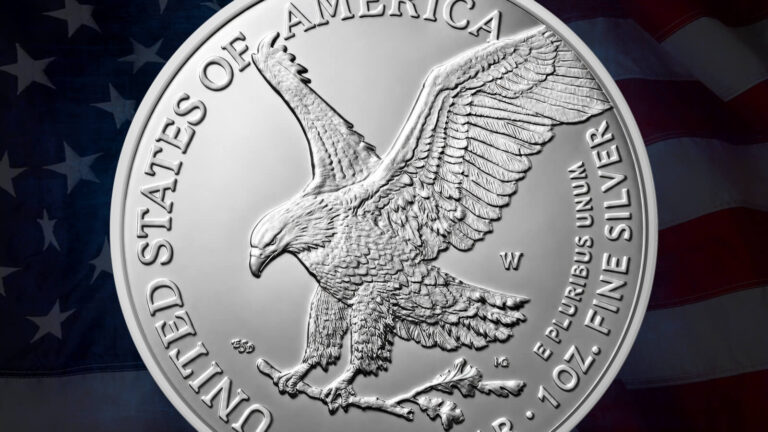
What Is a Type-2 Silver Eagle?
A Type-2 Silver Eagle is an American Silver Eagle struck with the coin's current reverse — Emily Damstra's eagle coming in for a landing with an oak branch, introduced in mid-2021 for the series' 35th anniversary. It replaced John Mercanti's heraldic eagle, which had appeared on the coin since 1986. The obverse is still Weinman's Walking Liberty, refreshed, and the coin still holds one ounce of .999 fine silver.
Read More →