


What Is First Strike?
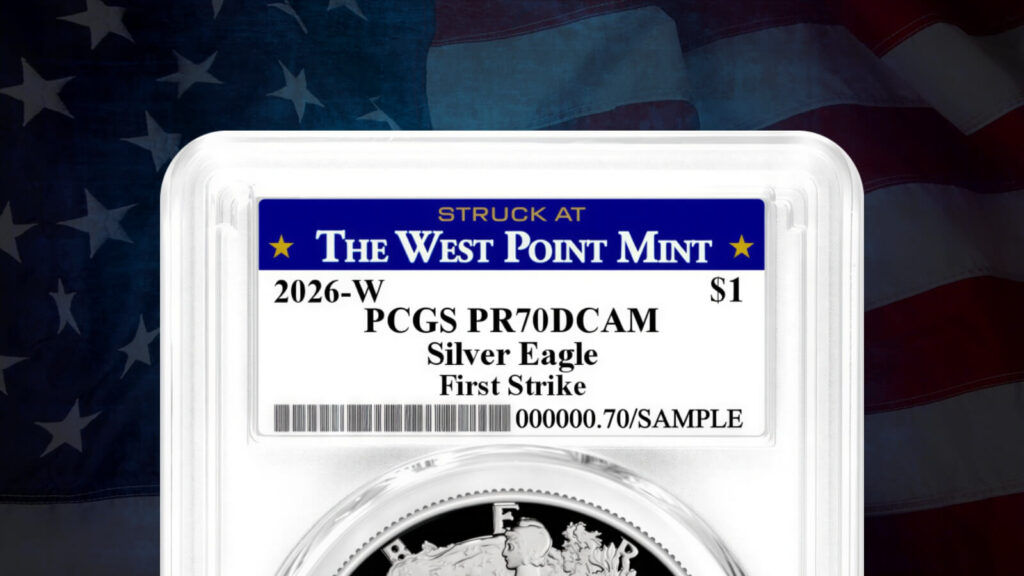
First Strike is PCGS's designation for coins received by PCGS within 30 days of a new issue's release — or shipped in sealed Mint boxes postmarked within that window. It certifies when the coin left the Mint, not when it was struck. The U.S. Mint does not track the order in which it strikes coins and has said so publicly, so no label can prove a coin was literally struck first. NGC's equivalent 30-day designation is Early Releases, or First Releases.
Key Takeaways
- First Strike is PCGS's designation for coins received within 30 days of release.
- It records shipping timing, not strike order — the Mint does not track strike order.
- NGC's equivalent is Early Releases (also called First Releases); the 30-day window is the same.
- First Day of Issue is the narrower designation, tied to the release day itself.
What does First Strike mean on a PCGS label?
It means PCGS received the coin — or a sealed Mint box containing it — within 30 days of the issue's release. The postmark on the submission, or on the unopened Mint shipping box, is the evidence: PCGS sets a cutoff date for each issue, and coins mailed after it do not qualify. The designation sits on the label next to the grade — "MS 70 First Strike," for example — and is listed separately in population reports. It is a timing pedigree, not a grade: a First Strike MS 70 is the same grade as any other MS 70 of the same issue.
How is First Strike different from Early Releases?
Only in name and grader — the window is the same 30 days. NGC originally used "First Strikes" too, then switched to "Early Releases" in December 2006. A PCGS First Strike and an NGC Early Releases of the same issue certify the same thing: the coin left the Mint within the first month after release. One is not earlier than the other; the difference is which grading service certified the coin.
| First Strike (PCGS) | Early Releases (NGC) | First Day of Issue (NGC and PCGS) | |
|---|---|---|---|
| Grader | PCGS | NGC | NGC and PCGS |
| Window | Received within 30 days of release | Received within 30 days of release | Bought within one day of the first day of sale; received within one week |
| What it certifies | Early shipment from the Mint | Early shipment from the Mint | Purchase on the release day itself |
| Availability | Standard submissions in the window | Standard submissions in the window | Mostly bulk or trade-show; higher fee |
Does First Strike mean the coin was struck first?
No — and the U.S. Mint has said so in its own consumer advisory. There is no widely accepted, standardized definition of "first strike," and the Mint does not track the order in which it mints coins. Production begins several weeks before a coin's scheduled release — in some years about half the projected mintage is struck before the release date — and coins are not necessarily shipped in the order struck. Dates on shipping boxes are pack dates for quality control and accounting, not manufacture dates. A coin shipped in the first 30 days may have been struck weeks earlier, alongside coins shipped months later. The one genuine exception is a witnessed strike: NGC's individually numbered strikes, where the minting is witnessed and documented and the label states "First Coin Struck" or "Second Coin Struck." That is a different, far narrower designation requiring mint documentation — not what First Strike means.
How does a coin get a First Strike designation?
By reaching PCGS inside the window. A collector or dealer submits the coin postmarked before the cutoff date for that issue, or sends the sealed, unopened Mint shipping box and lets PCGS go by the Mint's postmark on the box. The designation is requested on the submission form, and PCGS verifies it from the postmark or the sealed box. A coin arriving after the cutoff is graded normally, without the designation. The early-release programs date to the mid-2000s, when the grading services first began certifying coins by shipping window, after a Mint consumer advisory on the term.
FAQ
What is a First Strike coin? A coin PCGS received — or that arrived in a sealed Mint box postmarked — within 30 days of a new issue's release.
Is First Strike the same as Early Releases? The 30-day window is the same, but the grader and the name differ: First Strike is PCGS's designation, Early Releases (also called First Releases) is NGC's.
Does First Strike mean the coin was struck first? No. It certifies when the coin left the Mint, not when it was struck. The U.S. Mint does not track the order in which it strikes coins.
How is First Strike different from First Day of Issue? First Strike covers coins received within 30 days of release. First Day of Issue is tied to the release day itself — bought within one day of the first day of sale and received within one week — and is mostly limited to bulk or trade-show submissions at a higher fee.
Shop First Strike coins at Coin Advisor or call (877) 540-2646.
This article was researched and drafted with AI assistance and reviewed and approved by Chris Clifton, Founder & CEO at Coin Advisor, before publication.
Shop NGC and PCGS certified coins at Coin Advisor
Shop Coins →Related Reading
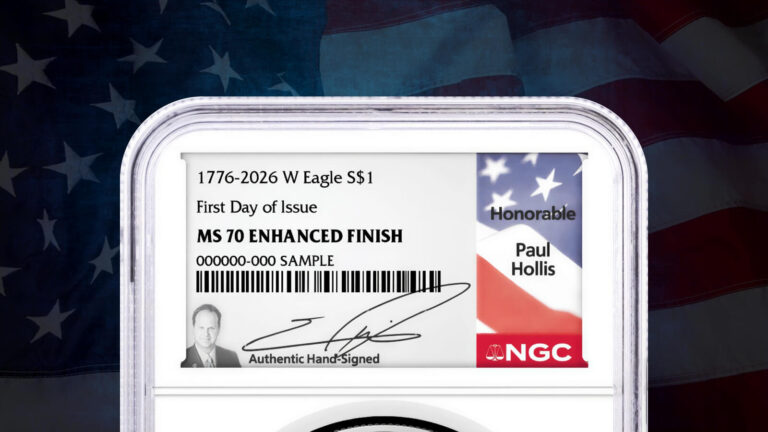
What Is First Day of Issue?
"First Day of Issue" is an NGC designation for a coin bought on the first day a mint puts a new issue on sale — and sent to NGC within a week. It is a pedigree, not a grade: it records the timing of the purchase and the submission, not the quality of the strike. The designation is narrow by design: it is usually available only for bulk submissions or at trade shows, it costs extra, and the submitter must prove the purchase date with receipts.
Read More →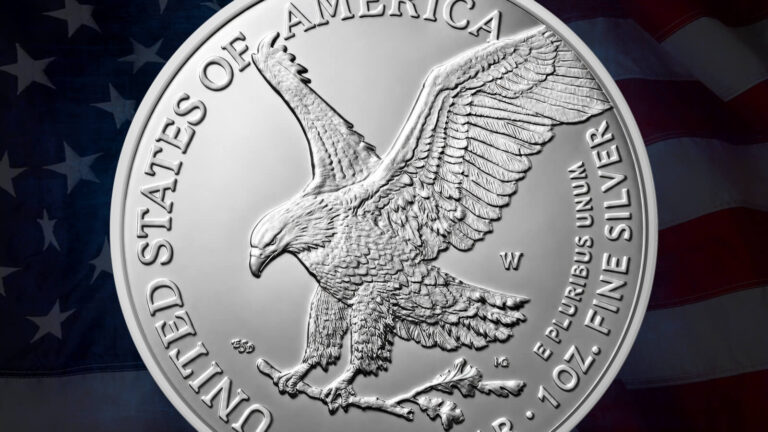
What Is a Type-2 Silver Eagle?
A Type-2 Silver Eagle is an American Silver Eagle struck with the coin's current reverse — Emily Damstra's eagle coming in for a landing with an oak branch, introduced in mid-2021 for the series' 35th anniversary. It replaced John Mercanti's heraldic eagle, which had appeared on the coin since 1986. The obverse is still Weinman's Walking Liberty, refreshed, and the coin still holds one ounce of .999 fine silver.
Read More →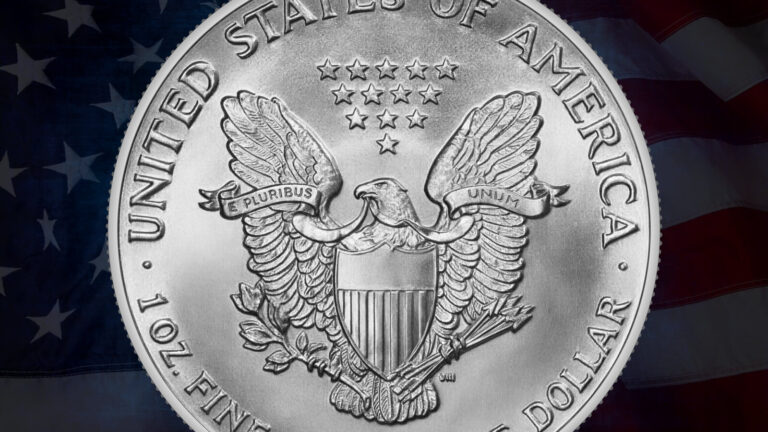
What Is a Type-1 Silver Eagle?
A Type-1 Silver Eagle is an American Silver Eagle struck with the coin's original reverse — John Mercanti's heraldic eagle, used from the series' first issue in 1986 until the design changed in mid-2021. The name "Type 1" comes from the grading services, which use it on their labels to separate the original reverse from the Type 2 reverse that replaced it. The Walking Liberty obverse, the ounce of .999 fine silver, and the one-dollar face value stayed the same.
Read More →