


Who Was Mike Castle?
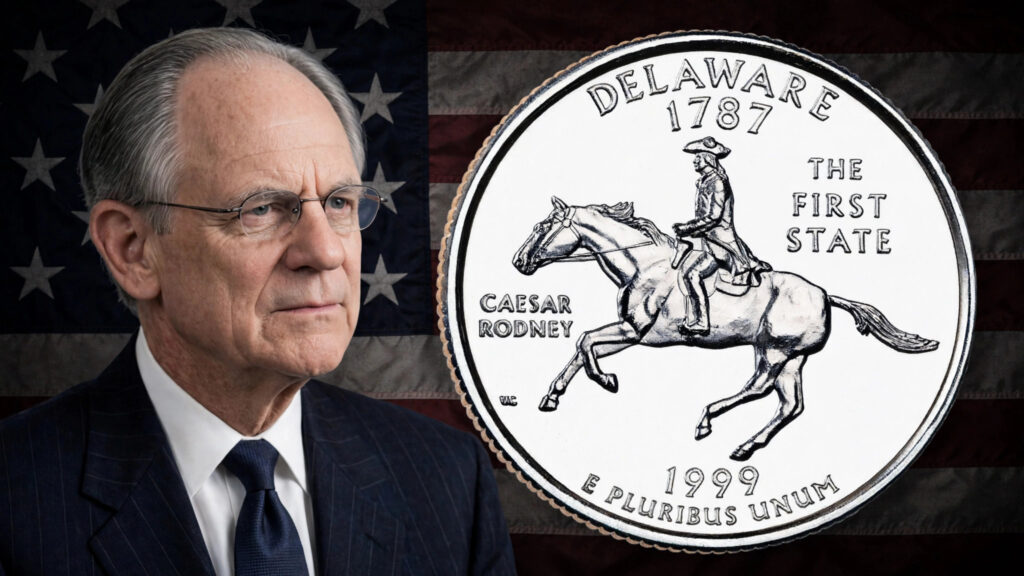
Mike Castle was the Delaware congressman who wrote the law that created the 50 State Quarters Program, the most widely collected circulating coin series in American history. As a member of the U.S. House of Representatives from 1993 to 2011, and chairman of the House coinage subcommittee, Castle authored or sponsored the legislation behind the State Quarters, the Sacagawea dollar, the Presidential dollars, and the American Platinum Eagle. The grading service NGC nicknamed him "The Coinage Congressman," and his hand-signed labels appear on certified coins.
Key Takeaways
- Castle served Delaware in the House from 1993 to 2011, after two terms as governor from 1985 to 1992.
- He wrote the law behind the 50 State Quarters, which ran from 1999 to 2008 and began with Delaware.
- His legislation also created the Sacagawea dollar, Presidential dollars, and the American Platinum Eagle.
- NGC issued hand-signed "Coinage Congressman" labels bearing Castle's signature, first in 2016 and again in 2022.
What did Mike Castle do in Congress?
Castle represented Delaware in the U.S. House of Representatives for nine terms, from 1993 to 2011, after serving two terms as the state's governor from 1985 to 1992. He was Delaware's longest-serving member of Congress. In 1995 he became chairman of the House subcommittee with jurisdiction over coinage, which made him the member collectors and the Mint turned to on every coin bill. Coinage was only part of his record — he also helped shape welfare reform, the Balanced Budget Act, and No Child Left Behind — but it is the part collectors remember, because no other modern legislator put his name on so many coin programs.
Which coin programs did Castle create?
Castle wrote or sponsored the bills behind a remarkable run of modern U.S. coin programs. The best known is the 50 State Quarters Program, which ran from 1999 to 2008 and began, fittingly, with his home state of Delaware. Castle's other coin laws created the Sacagawea dollar, the Presidential dollar series, and the American Platinum Eagle, and his last piece of numismatic legislation created the America the Beautiful Quarters program.
| 50 State Quarters | America the Beautiful Quarters | |
|---|---|---|
| Years | 1999–2008 | 2010–2021 |
| Designs | 50, one per state | 56, national parks and sites |
| Subject | The fifty states | National parks, monuments, and nature areas |
Why did the State Quarters matter so much?
The program turned pocket change into a national hobby. According to NGC, roughly half the population of the United States became casual coin collectors because of the State Quarters, and the program raised nearly $7 billion in profit for the federal government. It also proved that a circulating commemorative series could work at scale, which paved the way for the America the Beautiful Quarters and the circulating programs that followed. That is why Castle's name still appears on labels and in auction catalogs years after he left Congress: the program he wrote into law is the one that brought the most new collectors into the hobby.
Where does Castle's signature appear on labels?
NGC has honored Castle with two different labels, and collectors should know which is which. The first, issued in 2016, is a printed "Coinage Congressman" label that names Castle and his role. The second, announced in April 2022, is an Authentic Hand-Signed label that carries Castle's actual hand-written signature. His signature also appears on slab labels for the five-piece set of 1995-W proof American Eagles, housed in a special holder noting Castle as the Coinage Congressman. In each case the signature is the link between the lawmaker and the coin: Castle never designed a coin, but his name is on the labels because he wrote the laws that put the coins into collectors' hands.
FAQ
Did Mike Castle design any coins? No. Castle was a legislator, not a designer or engraver. His contribution was the law: he wrote and sponsored the bills that authorized the coins.
What law created the 50 State Quarters? The 50 States Commemorative Coin Program Act, which Castle authored. The program ran from 1999 to 2008, one state design at a time, starting with Delaware.
When did Mike Castle die? Castle died on August 14, 2025, at age 86, in Greenville, Delaware, after a long illness.
Are Castle-signed labels still issued? The labels were tied to specific releases, including NGC's 2016 label and its 2022 hand-signed label. Coins carrying them are found on the secondary market rather than as new Mint products.
Shop State Quarters at Coin Advisor or call (877) 540-2646.
This article was researched and drafted with AI assistance and reviewed and approved by [Author], [Role] at Coin Advisor, before publication.
Shop NGC and PCGS certified coins at Coin Advisor
Shop Coins →Related Reading
Who Is Ventris Gibson?
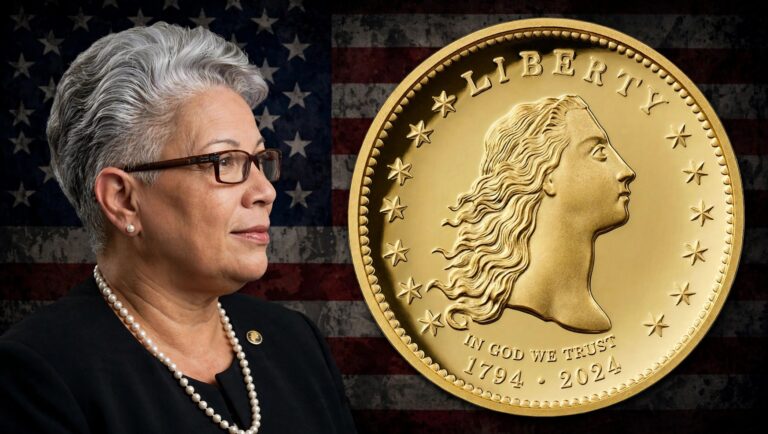
Ventris Gibson is the former Director of the United States Mint, the first African American and the seventh woman to lead the bureau. She served as the 40th Director from June 2022 to March 2025, after joining the Mint as Deputy Director in October 2021. Collectors know Gibson as the director who championed the American Women Quarters Program and the Harriet Tubman commemorative coins — and her signature appears on NGC labels for the 2024 Flowing Hair gold proof.
Read More →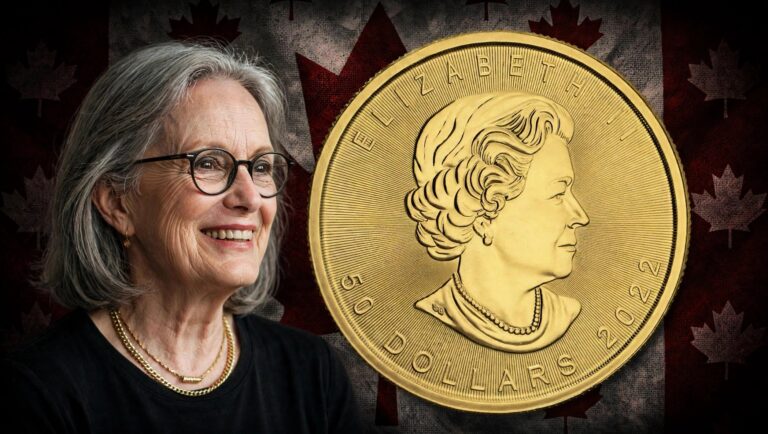
Who Is Susanna Blunt?
Susanna Blunt is the Canadian portrait artist whose effigy of Queen Elizabeth II appeared on Canadian coins from 2003 to 2023. Her portrait, which shows the Queen without a crown, was chosen in a 2002 design competition and became the fourth and final depiction of Elizabeth II on Canadian coinage. Collectors know Blunt both for that twenty-year portrait — seen on everything from pocket change to gold Maple Leafs — and for her hand-signed certification labels.
Read More →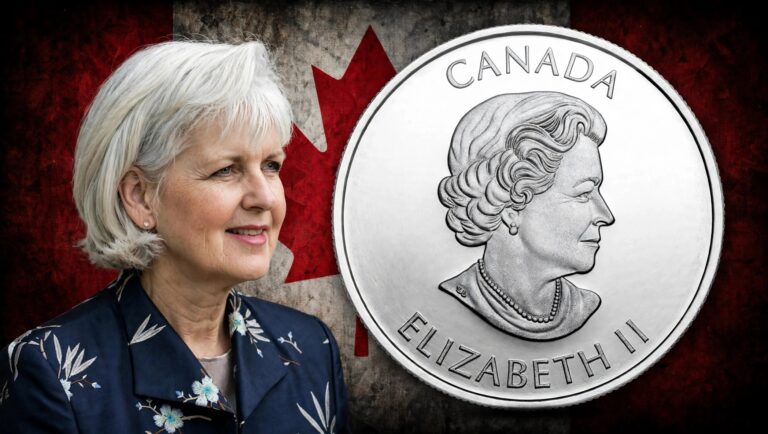
Who Is Susan Taylor?
Susan Taylor is the retired Senior Engraver of the Royal Canadian Mint, whose designs have shaped Canadian coinage for more than three decades. Hired as a Mint engraver in 1981, she spent 33 years sculpting coin designs and preparing master tooling, retiring in 2017. Collectors know her best for Lady Peace, the allegorical figure on the Royal Canadian Mint's Peace Dollar, and for the Lady Liberty design on the Light of Liberty series — both of which also appear on labels personally signed by Taylor.
Read More →